
REVIEW · WALKING TOURS
Walking Tour Jaipur India
Big sights in a short walk.
This Jaipur walking tour is built for first-timers, with trained storytellers using an infotainment style so you get history and people, not just facts. You start with Hawa Mahal and work your way through the old city highlights at a pace that feels easy, even if you do not think of yourself as a history person.
I especially like the small included perks that keep you comfortable, bottled water plus tea with snacks while you’re moving from landmark to landmark. The route is also capped at a small group size (up to 20), and you’ll use a mobile ticket, which cuts down on hassle in the Pink City.
One main consideration is cost creep: monument entry tickets are not included. If you want to go inside multiple stops, plan for extra payment (the info given points to about ₹100 per person), so your $20 tour can become more depending on what you choose to enter.
Key Highlights You’ll Actually Feel on the Ground
- Story-first guide style that mixes city history with fun context, so you do not get stuck in lecture mode
- 2 hours with major landmarks across the old city circuit, designed to help you orient fast
- Comfort extras included (bottled water, plus tea with snacks) during the walking stretch
- Hawa Mahal, City Palace, and Jantar Mantar as your anchor trio of sights
- Bazaar and temple stops that add everyday Jaipur flavor beyond the monument photos
Keep walking: other routes through the bazaars
- Jaipur Bazaar & Food Walking Tour★ 5.0 · 281 reviews
- Heritage Walk & Street Food Tasting in Jaipur★ 5.0 · 158 reviews
- Magical Walk of Jaipur★ 5.0 · 121 reviews
- Cultural Walk and Food Tasting In Jaipur★ 5.0 · 118 reviews
Why This Jaipur Walking Tour Helps You Start Right
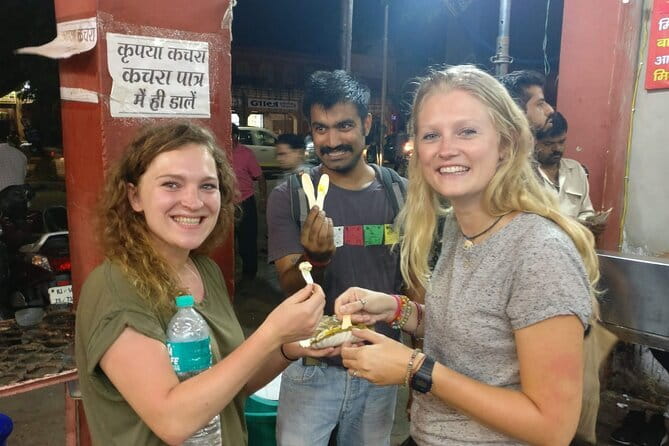
Jaipur can feel like a lot on day one. You see a famous facade, then you blink and you are surrounded by lanes, shops, crowds, and names that sound similar but are not. What I like about this walking tour is that it gives you a practical mental map first, then fills it in with stories that make the sights make sense.
The format is built around infotainment, meaning you get history and culture in bite-size pieces. Your guide keeps the tone fun and light, so even if your brain wants food, views, and photos more than timelines, you still get something worth remembering.
Also, the group size stays small (max 20). That matters in Jaipur old town, where your ability to see and hear can change fast depending on how crowded a corner gets.
Meeting Point, Timing, and How the 2-Hour Walk Feels
You meet at Hawa Mahal Road (near Badi Choupad, J.D.A. Market, Pink City, Jaipur). The tour ends back at the same meeting point, so you do not have to plan a separate pickup or guess your way out after you’re done.
The total time is about 2 hours, with roughly 20 minutes at each stop. That means you are not lingering long enough to get bored, but you’re also not rushing so hard that you miss the details. If you like a tour that gives structure without eating your whole day, this format fits.
It also says you are near public transportation. So if you need to adjust your day plan, you are not completely stuck in one location.
Hawa Mahal Stop: How the Palace of Wind Fits Into the City Palace Area
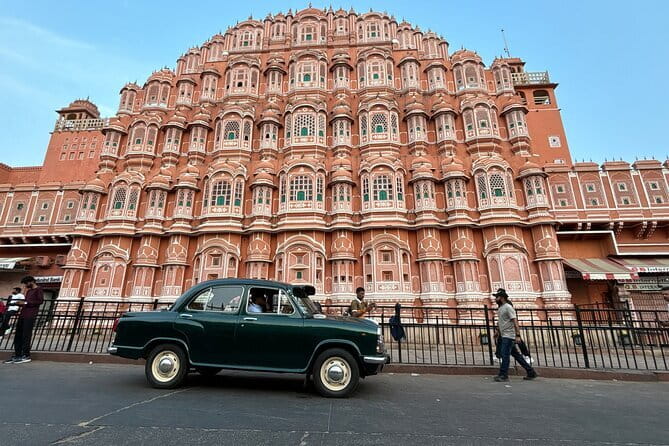
You kick off at Hawa Mahal (Palace of Wind), the red and pink sandstone landmark sitting along the edge of the City Palace complex. The key thing to understand here is what you are looking at, not just that it is pretty.
This palace connects into the zenana, the women’s chambers. In plain terms, it’s designed for a particular kind of viewing and presence within the royal environment. That context changes how you look at the building, because the facade is doing a job, not just serving as a postcard.
The tour keeps this stop to around 20 minutes and does not include admission tickets. That’s actually a plus if your main goal is to get oriented and take photos from the best angles with a guide explaining the symbolism and placement.
City Palace of Jaipur: Mughal-Rajput Design and What You Can Notice Without Buying Tickets
Next up is the City Palace of Jaipur, built by Maharaja Sawai Jai Singh II, the founder of Jaipur. The complex is described as a fusion of Mughal and Rajput architecture, which is the kind of phrase that sounds academic until someone shows you what it means in the details.
The tour also notes that the palace complex is still home to the last ruling royal family. Even if you do not enter with tickets, just understanding that it is not purely a museum helps you interpret what you’re seeing as living royal heritage rather than only ruins or a set.
Like the first stop, this is set for about 20 minutes, and monument entry is not included. That can be a good match for you if you prefer exterior storytelling and photos over paying multiple entry fees. If you want deeper access, you can add tickets separately, but budget for it.
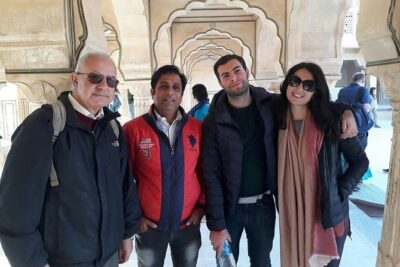


Jantar Mantar: Astronomy From 1734 and Why the Shapes Matter

Then you reach Jantar Mantar, the Rajput-era astronomical site built by Sawai Jai Singh II and completed in 1734. This is one of those stops where the guide can make the difference between you thinking it’s just “cool old instruments” versus understanding why they were built the way they were.
The big idea: these structures were designed for measuring and tracking astronomical phenomena using architecture and geometry. When you hear the context out loud, you start noticing how the shapes work as tools, not random sculptures.
This stop is also about 20 minutes and says admission tickets are not included. So if you’re sensitive to extra costs, you can still get a lot just from the guided overview and standing in the right spots while you learn what to look for.
Isarlat (Tower) and the Bazaar Crossroads: What Sargasuli Means at Street Level

After Jantar Mantar, the tour takes you to Isarlat, popularly known as Sargasuli, described as meaning passage to heaven. You’re told it’s 140 ft tall, and the location is tied to street geography: it sits near the meeting point of Tripolia Bazaar and Gangori Bazaar, close to Chhoti Chaupar Chowk and Tripolia Gate.
This is where the walk stops feeling like a museum circuit and starts feeling like Jaipur. A tall landmark at a bazaar junction helps you understand how the city’s layout supports daily movement: people shop, pass through gates, and use towers and chowks as orientation points.
No monument entry is listed for this stop, which keeps it from turning into another pay-to-see moment. You get the story, the meaning behind the name, and the location context so the tower clicks into place in your mental map.
Sireh Deori Bazaar and Crafts: Buying Without Getting Lost
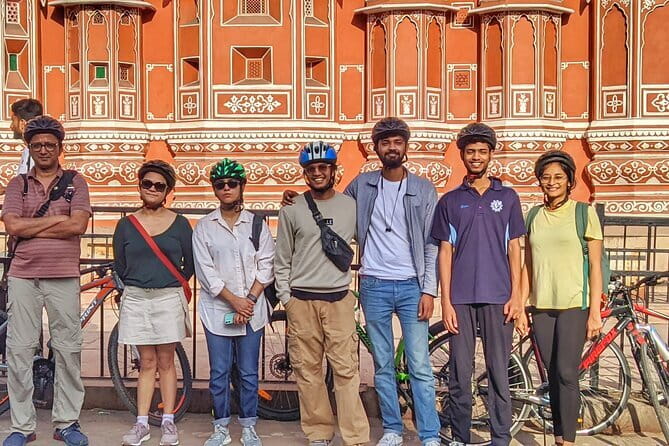
Next comes a stop for shopping and texture: Sireh Deori Bazaar and the area described for Indian crafts and textile exports. The tour frames this as a practical place for street shopping, where you can get a basic view of what you might buy there.
This is a good point in the tour to slow down a little, because the vibe shifts from monument spotting to everyday life. You’ll be in a market setting where colors, fabrics, and small goods are part of the experience, and you get a guide to help you understand what you’re seeing.
This stop is marked as having admission included, which in market terms usually means you do not need separate entry like you would for a ticketed museum. Still, shopping is optional. If you want photos and browsing only, you can treat it like a window into how people actually live and buy in the old city.
Tip for value: if textiles are on your list, move carefully. Markets like this can be fun, but prices and quality vary a lot from stall to stall, so set a spending limit before you start.
Giriraj Ji Temple: A Colorful Break on the Agra-Jaipur Road Side
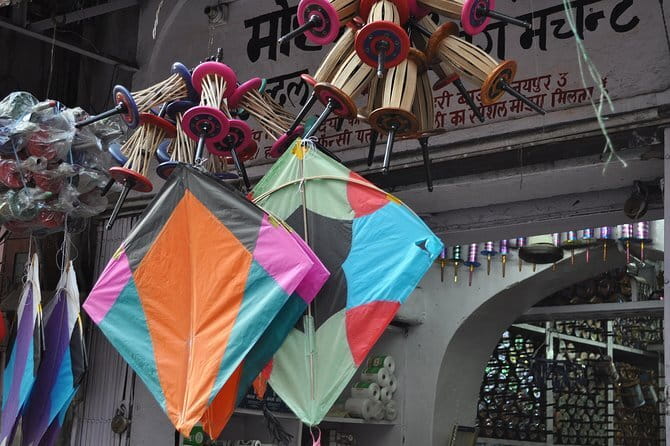
The final stop is Giriraj ji temple, described as a bright and colorful temple. The info provided places it on the Agra-Jaipur Road, just east of Dausa, and calls it worth a stop.
This is a change of pace from the monumental cluster. Temples give you a different kind of Jaipur, one that’s more about atmosphere and everyday reverence than architecture history. It can also be a nice reset at the end of a walking route.
This stop shows admission tickets included, which helps close the loop on extra costs. It’s also a helpful reminder that this tour is not only about famous structures. It tries to give you an extra slice of local life near the road network that connects the region.
Guide and Comfort: Why This Tour Feels Safe and Easy
The tour is run by pinkfoots travel, and the biggest repeated theme in the experience feedback I’ve seen connected to this company is that trips feel organized and comfortable. People talk about feeling safe, comfortable, and cared for, with service that keeps things smooth so you do not constantly worry about what comes next.
On the ground, that kind of care shows up in small ways: the guide keeps the group moving, you get water, and you’re offered tea with snacks. That matters more than you might think in Jaipur heat, and it helps the tour feel like a well-run plan rather than a random walk.
If you’re traveling with limited time, that reassurance is gold. A walking tour only works if you feel confident you’re in the right place at the right moment. Here, the structure and short stop times help.
Price and Value: Is $20 a Good Deal?
At $20 for about 2 hours, this walking tour is priced like a “local orientation” experience. That’s a good way to judge it.
Here’s what your $20 includes:
- Guide
- Bottled water
- Tea with snacks
- Mobile ticket
What is not included:
- Monument entry tickets. The info given says about ₹100 per person if you want tickets, with an alternate note that extra entry can run around $10 depending on what you select.
So the real value depends on your style.
- If you’re happy with exterior views and a guided explanation, you can likely keep it close to the base price.
- If you want to enter multiple monument sites, you’ll spend more, but you still get the guide support that helps those sites become meaningful, not just expensive checkboxes.
For many visitors, the best strategy is simple: start with what’s included, then decide on entry tickets only at the spots where you feel it will add something for you.
Tickets and Entry Fees: How to Avoid Surprise Costs
Because admission tickets are not included, I recommend you do this before you go:
- Decide whether you want to enter each monument or just see the landmark portions.
- Carry enough cash for the monument entries if you change your mind mid-tour.
The tour information suggests ₹100 per person as the monument entry fee amount. It also says an additional about 10 USD extra if you want tickets, so treat that as a rough guide because rates and what you’re buying can vary.
If you are budget-minded, you can still enjoy every stop in the planned time window without buying more. If you are a “show me inside too” person, plan for add-ons and keep receipts if you want to track spending.
Best For Who, and Who Might Want Another Option
This walking tour is a strong fit if you:
- Want a quick old-town orientation in a short window
- Like guided storytelling that explains what you see without heavy lecture energy
- Appreciate breaks like tea with snacks during sightseeing
You might consider something else if:
- You want a long, slow deep dive at monuments. This is timed at about 20 minutes per stop.
- You’re budgeting tightly and plan to enter multiple sites. Entry fees are extra.
It also works well for travelers who prefer walking with structure but do not want to be stuck researching street names and sight context on your own.
Should You Book This Jaipur Walking Tour?
Book it if you want an efficient, friendly way to see the big Jaipur hits, with a guide who treats the walk like a story rather than a checklist. The included comfort touches, plus the small group size, make it feel manageable, and the stops cover the key landmarks that help you understand the city fast.
If you are mainly motivated by entering monuments and you know you’ll buy many tickets, go in with extra budget. Otherwise, you can still enjoy the tour’s main value, orientation plus context, while keeping entry costs under control.
FAQ
How long is the Jaipur walking tour?
It runs for about 2 hours.
How much does the tour cost?
The price is $20.
What’s included in the price?
You get a guide, bottled water, and tea with snacks. You also receive a mobile ticket.
Are monument entry tickets included?
No. Monument entry tickets are not included, and the info provided notes an extra cost of about ₹100 per person if you want tickets.
How big is the group?
The tour has a maximum of 20 travelers.
What is the cancellation policy?
You can cancel for free up to 24 hours in advance for a full refund. The experience requires good weather, and if it’s canceled due to poor weather you’ll be offered a different date or a full refund.
Keep Walking Through Jaipur
- Jaipur Bazaar & Food Walking Tour
★ 5.0 · 281 reviews - Heritage Walk & Street Food Tasting in Jaipur
★ 5.0 · 158 reviews - Magical Walk of Jaipur
★ 5.0 · 121 reviews - Cultural Walk and Food Tasting In Jaipur
★ 5.0 · 118 reviews - Jaipur Heritage Walk with Rickshaw Ride
★ 5.0 · 105 reviews - Jaipur Heritage Evening Walk – The Twilight Magic of Pink City
★ 5.0 · 93 reviews
More Tours in Jaipur
- Jaipur: Private Full Day Sightseeing Tour By Car with Guide
★ 4.9 · 1,839 reviews - 3-Hour Morning Bike Tour of Jaipur
★ 5.0 · 1,253 reviews - Jaipur: Private Sightseeing Day Tour with Guide by Car
★ 4.8 · 773 reviews - Jaipur: Full-Day City Tour with Car, Guide & Skip-the-Line
★ 4.8 · 512 reviews - Full-Day Jaipur Private Sightseeing Tour by Car with Guide
★ 5.0 · 472 reviews - Private Full Day Jaipur Sightseeing Tour By Tuk Tuk
★ 5.0 · 382 reviews
More Tour Reviews in Jaipur
- Jaipur: Private Full Day Sightseeing Tour By Car with Guide
★ 4.9 · 1,839 reviews - 3-Hour Morning Bike Tour of Jaipur
★ 5.0 · 1,253 reviews - Jaipur: Private Sightseeing Day Tour with Guide by Car
★ 4.8 · 773 reviews - Jaipur: Full-Day City Tour with Car, Guide & Skip-the-Line
★ 4.8 · 512 reviews - Full-Day Jaipur Private Sightseeing Tour by Car with Guide
★ 5.0 · 472 reviews - Pink City Cooking Class
★ 5.0 · 452 reviews
Fresh on the site: newer Jaipur tours we have written up




Walking Tours, compared.
 ★ 5.0Jaipur Bazaar & Food Walking TourFrom $37281 reviews
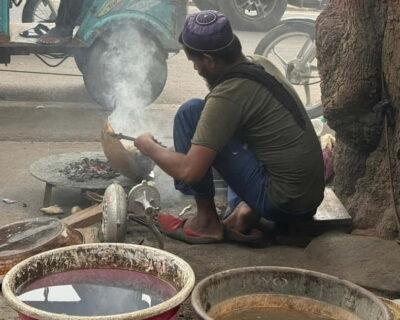 ★ 5.0Heritage Walk & Street Food Tasting in JaipurFrom $21158 reviews
 ★ 5.0Magical Walk of JaipurFrom $10121 reviews
 ★ 5.0Cultural Walk and Food Tasting In JaipurFrom $22118 reviews
Jaipur Heritage Walk with Rickshaw RideFrom $11105 reviews
★ 5.0Cultural Walk and Food Tasting In JaipurFrom $22118 reviews
Jaipur Heritage Walk with Rickshaw RideFrom $11105 reviews
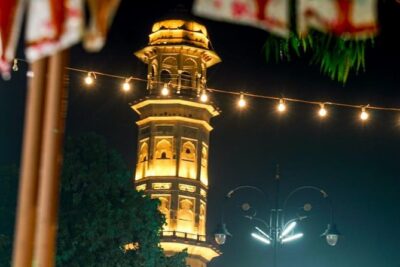 ★ 5.0Jaipur Heritage Evening Walk – The Twilight Magic of Pink CityFrom $3593 reviews
 ★ 5.0Nahargarh Water Walk – Guided 2-Hour Heritage Tour in JaipurFrom $3989 reviews
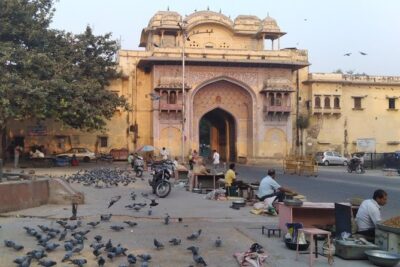 ★ 5.0Jaipur Heritage Walking Tour – Local life, Havelis and TemplesFrom $1672 reviews
Browse the lists this tour appears in