
REVIEW · WALKING TOURS
Jaipur Heritage Walking Tour – Local life, Havelis and Temples
A short walk, a big slice of Jaipur. This Jaipur Heritage Walking Tour strings together flower bazaars, temple ceremony, and artisan workshops in a 3-hour loop through the Pink City. I love that it’s built around small-group pacing with a local like Viru, plus practical stops where you can actually watch daily life happen.
What I like most is the local guide-led storytelling that turns landmarks into everyday scenes, not just photos. I also appreciate the built-in comfort stuff, snacks and bottled water, which keeps you moving without hunting for food every time the street gets busy.
One thing to consider: Hawa Mahal admission is not included, so you should be ready to pay for the ticket if you want to go in, not just admire it from outside. Also, since it’s a walking tour, wear shoes you trust.
Key points before you go

- Small-group attention means you can move at a human pace and ask questions without feeling rushed
- Trusted street-food stops plus snacks, tea/coffee, and bottled water keeps the experience practical
- Govind Devji Temple ceremony timing is a highlight, and the morning aarti suggestion matters
- Havelis and palace courtyards give you architecture details you’d miss if you only skim the main sights
- Tripolia Bazar craft demos show real making, from lac bangles to marble carving and brass work
Keep walking: other routes through the bazaars
- Jaipur Bazaar & Food Walking Tour★ 5.0 · 281 reviews
- Heritage Walk & Street Food Tasting in Jaipur★ 5.0 · 158 reviews
- Magical Walk of Jaipur★ 5.0 · 121 reviews
- Cultural Walk and Food Tasting In Jaipur★ 5.0 · 118 reviews
Why this Pink City walking tour feels like real Jaipur
Jaipur can overwhelm you if you try to do too much by yourself. This tour keeps it focused: you start near Hawa Mahal, then you walk into the old-city rhythm where markets and worship share the same streets. The route also makes sense for first-timers, because it mixes the famous exteriors with lived-in lanes and working craft areas.
The other thing I appreciate is how it doesn’t pretend Jaipur is one kind of attraction. You get royal-era architecture, wholesale market noise, temple prayer, and artisan production all in the same half-day. That blend is exactly what makes a walking tour worth doing in a place like the Pink City.
Price and value for a 3-hour guided loop
At $16 per person for about 3 hours, this is priced like a budget-smart way to get orientation plus a taste of daily life. The biggest value point is that it’s not only sightseeing. You also get snacks, bottled water, and coffee or tea, which matters in Jaipur because street food and heat can drain your energy fast.
Admission is where you should do a quick mental check. Hawa Mahal ticketing isn’t included, while the other key stops are free-entry based on what the tour lists. So you’re mostly paying for guidance, pacing, and access to the places where your guide’s explanations make a difference.
Meeting point, pacing, and how the 3-hour plan actually works
The tour starts at Hawa Mahal Road, Hawa Mahal Rd, Badi Choupad, J.D.A. Market, Pink City and ends back at the meeting area. That matters because you are not guessing your way across the old city after the tour.
Time-wise, the stops are short and purposeful:
- Hawa Mahal exterior area: about 10 minutes
- City Palace of Jaipur area: about 10 minutes
- Pink City wholesale market: about 30 minutes
- Govind Devji Temple and ceremony: about 15 minutes
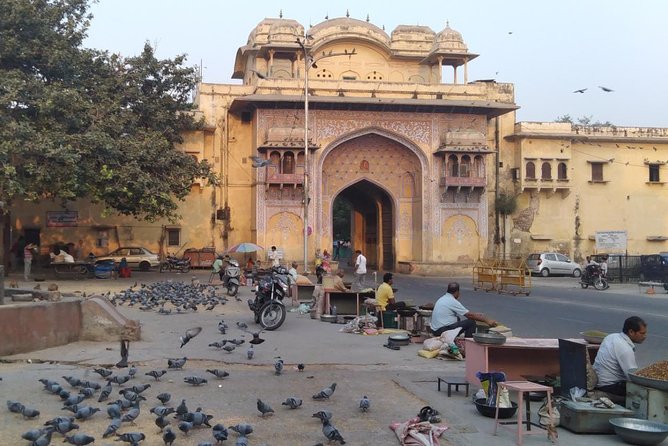
- Tripolia Bazar craft area: about 1 hour 30 minutes
So it’s not a slow stroll where you only see one thing at a time. It’s more like a guided walk with a few concentrated “watch and learn” moments.
Stop 1: Hawa Mahal exterior, plus the ticket reality check
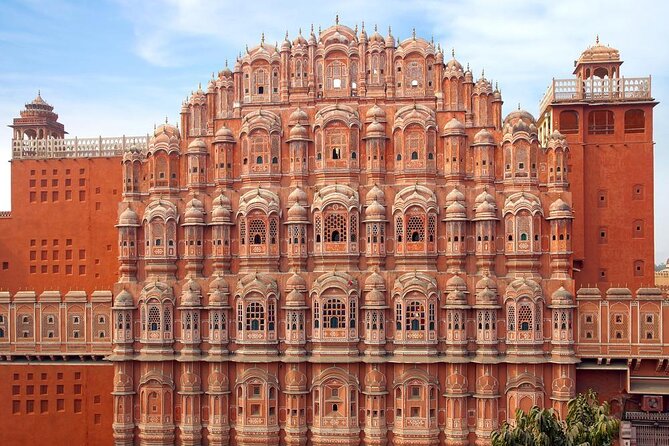
You begin at Hawa Mahal, the Palace of Wind, built in 1799 by King Sawai Pratap Singh. The angle here is practical: it’s an early stop designed to set the scene for the royal architecture you’ll see around you. Since the tour notes that the admission ticket is not included, treat this as your “first sight and explanation” moment, not a guaranteed full entry.
What I like about starting here is that it gives you a visual anchor. After you see those distinctive facades, you’ll understand why the Pink City streets and courtyards feel so connected to royal planning.
If you do want to go inside, plan for the extra cost and time for entry. Even if you don’t, the guide’s framing helps you look at the building like it has a job, not just a pretty shape.
More of the 1727 grid, read out loud

Stop 2: City Palace lanes and old havelis with courtyards
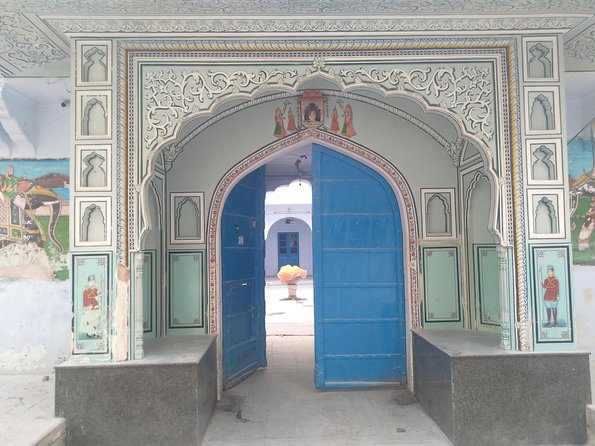
Next comes the City Palace of Jaipur area, where you walk through narrow lanes and see traditional havelis with architecture details, frescoes, and courtyards. This stop is free-entry based on the tour info, so it’s a smart way to get value quickly.
The main benefit here is texture. You’re not only looking at a single facade. You’re seeing how Jaipur’s design works at human scale, with spaces that make sense for daily movement and gatherings. These are the sorts of places where a guide can point out what you’d otherwise miss, like how courtyards and painted surfaces shape light and movement.
A small drawback: the time is about 10 minutes, so this isn’t for deep lingerers. If you want to spend more time admiring details up close, you may want to plan a return visit on your own.
Stop 3: Pink City wholesale flower and vegetable market
Then you step into the Pink City market, described as the only wholesale flower and vegetable market in Jaipur. You get roughly 30 minutes here, which is enough time to watch how the market works without turning it into a long, exhausting slog.
This stop is valuable for two reasons. First, it’s a window into how goods actually move in the city, not just a photo spot. Second, it adds context for the color theme of Jaipur, since flowers are not just decoration here, they’re part of the supply chain.
If you’re sensitive to crowds or strong smells, go slowly and let the guide lead the pace. The purpose is observation, not shopping pressure.
Stop 4: Govind Devji Temple and the aarti ceremony timing
One of the best parts of this tour is the Govind Devji Temple stop, because it includes a ceremony segment called aarti. The tour highlights that it’s best to assist the morning ceremony, so if you can choose morning slots, I’d do it.
You’re there for about 15 minutes, and the focus is not sightseeing-style wandering. It’s watching a religious ritual in action, which is different from just viewing a building. The guide’s explanations help you understand what you’re seeing, like why certain moments happen when they do.
Because this is a temple setting, dress and behavior matter. The tour does not provide specific dress rules in the details you shared, so I’d still keep it respectful and conservative, and follow the guide’s cues once you arrive.
Stop 5: Tripolia Bazar craft demos you can watch, not just buy
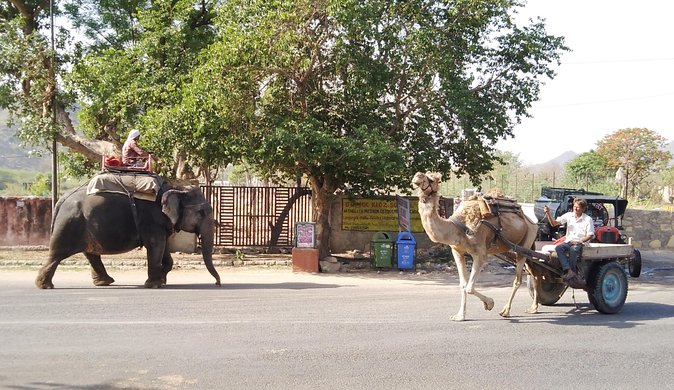
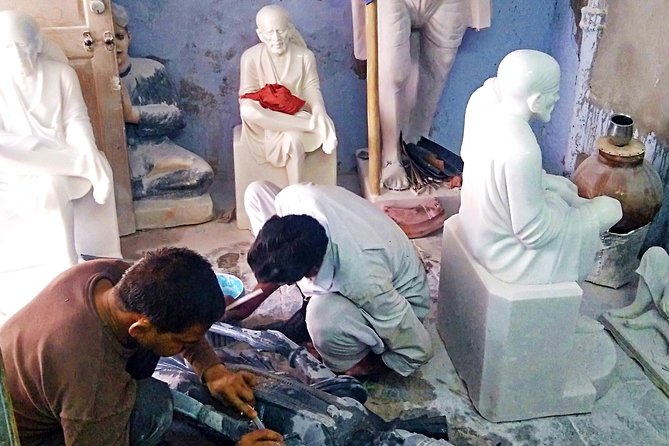
The final big block is Tripolia Bazar, and this is where the tour shifts into hands-on watching. You get around 1 hour 30 minutes here, and the experience includes live demonstrations of traditional crafts such as lac bangle making, marble carving, and brass utensil crafting.
This is the stop I think you’ll remember most on a first Jaipur visit, because you see the work being made in real time. It’s also a helpful contrast to the markets earlier in the walk. In the Pink City market you’re seeing buying and selling at scale. In Tripolia you’re seeing technique, tools, and careful steps.
A practical note: if you’re hoping for a souvenir, this is the best place to look. Still, I’d keep expectations realistic. The demonstrations can be time-consuming, and the goal is observation as much as purchasing.
Street food snacks, coffee or tea, and how to handle the heat
The tour builds in a simple rhythm: you’ll try local street food snacks from reliable vendors, and you’ll get snacks plus coffee or tea. You also get free bottled water, which is honestly a big deal in Jaipur, especially if the day is warm.
I like that the snacks are tied to “reliable vendors.” When you’re on foot and short on time, you don’t want to gamble on every cart. Your guide’s choices reduce decision fatigue.
One caution: street food can be tempting, so pace yourself. You have a walking route plus multiple market areas. If you overdo it early, you’ll feel it later at the bazaar craft stops.
What the guide quality changes, especially with Viru
Several people highlight the guide experience, and it shows up in the real details: Viru comes across as someone who knows Jaipur well and can explain it clearly without turning everything into a lecture.
What I found particularly convincing from the feedback is adaptability. Viru has guided families and can adjust to an 8-year-old while keeping adults engaged. That’s a good sign if you’re traveling with kids, or if you just want a guide who can manage attention span in real time.
If you want maximum value, treat the guide like a living map. Ask small questions during transitions, like why a building looks the way it does or what a market role means in daily life. This tour works best when you lean into conversation.
Small-group size and the upside of getting personal attention
The tour is designed with small group sizes, and it’s also listed as a private tour/activity, meaning you only share the walk with your group. That combo is great for comfort in a crowded city. You can hear explanations, stop for a moment without holding up strangers, and keep your pace.
For first-timers, personal attention helps you navigate “what matters” in Jaipur. For repeat visitors, it helps you get more meaning out of the same famous landmarks, especially when the guide connects them to everyday life.
Practical tips so you don’t waste energy
Here are a few straightforward ways to make this walk easier and more enjoyable, based on what the tour includes and how the route is timed.
- Wear comfy shoes. You’re on foot for most of the 3-hour route, with markets and lanes.
- Go ready to walk. Bring a hat or sunscreen if it’s sunny. Water is provided, but your comfort is still on you.
- If you want the aarti, aim for the morning. The tour specifically advises assisting the morning ceremony.
- Be ready for Hawa Mahal costs if you enter. The tour lists the ticket as not included.
- Bring curiosity, not shopping pressure. The craft demo stop is as much about seeing process as buying.
Who should book this tour, and who should maybe skip it
This is a strong choice if you:
- Want a guided first look at Jaipur’s Pink City
- Like markets where you can watch what’s happening
- Enjoy temple rituals when they come with context
- Want street food snacks handled by a guide, not random guessing
You might think twice if you:
- Have very limited mobility, since the experience is an on-foot heritage walk
- Prefer landmark-only tours with longer museum-style time at each site
Most travelers can participate, so it’s broadly doable, but it’s still a walking itinerary.
Should you book Jaipur Heritage Walking Tour with Bagheera Adventure?
If you like tours that explain what you’re seeing while you’re actually walking through the city, I’d book it. At $16 with snacks, water, and tea or coffee included, you’re paying for a guided “day-in-the-life” pattern, not just a checklist of monuments. Add in the Govind Devji aarti focus and the Tripolia Bazar craft demonstrations, and you get variety in a compact schedule.
One final decision point: check whether you want to potentially pay extra for Hawa Mahal admission if you plan to enter. If you’re happy with an exterior-focused first stop, the tour fits neatly into a tight itinerary.
FAQ
What is the duration of the Jaipur Heritage Walking Tour?
It runs for about 3 hours.
Where does the tour start and where does it end?
It starts at Hawa Mahal Road in the Pink City area and ends back at the same meeting point.
Is Hawa Mahal admission included?
No. The tour lists the Hawa Mahal ticket as not included.
Which stops are free to enter?
City Palace of Jaipur, the Pink City flower and vegetable market, Govind Devji Temple, and Tripolia Bazar are listed as free entry in the tour details.
Does the tour include street food and drinks?
Yes. Snacks are included, and you also get free bottled water plus coffee and/or tea.
Is private transportation included?
No. Private transportation is not included.
Is the tour a small group or private?
It is set up as a private tour/activity, so only your group participates, with small group attention mentioned as a feature.
Do I need a special ticket on my phone?
Yes. The tour uses a mobile ticket.
Can I cancel for a full refund?
You can cancel up to 24 hours in advance for a full refund. If you cancel within 24 hours, you will not receive a refund.
Does weather affect the tour?
Yes. The tour requires good weather. If it is canceled due to poor weather, you will be offered a different date or a full refund.
Keep Walking Through Jaipur
- Jaipur Bazaar & Food Walking Tour
★ 5.0 · 281 reviews - Heritage Walk & Street Food Tasting in Jaipur
★ 5.0 · 158 reviews - Magical Walk of Jaipur
★ 5.0 · 121 reviews - Cultural Walk and Food Tasting In Jaipur
★ 5.0 · 118 reviews - Jaipur Heritage Walk with Rickshaw Ride
★ 5.0 · 105 reviews - Jaipur Heritage Evening Walk – The Twilight Magic of Pink City
★ 5.0 · 93 reviews
More Tours in Jaipur
- Jaipur: Private Full Day Sightseeing Tour By Car with Guide
★ 4.9 · 1,839 reviews - 3-Hour Morning Bike Tour of Jaipur
★ 5.0 · 1,253 reviews - Jaipur: Private Sightseeing Day Tour with Guide by Car
★ 4.8 · 773 reviews - Jaipur: Full-Day City Tour with Car, Guide & Skip-the-Line
★ 4.8 · 512 reviews - Full-Day Jaipur Private Sightseeing Tour by Car with Guide
★ 5.0 · 472 reviews - Private Full Day Jaipur Sightseeing Tour By Tuk Tuk
★ 5.0 · 382 reviews
More Tour Reviews in Jaipur
- Jaipur: Private Full Day Sightseeing Tour By Car with Guide
★ 4.9 · 1,839 reviews - 3-Hour Morning Bike Tour of Jaipur
★ 5.0 · 1,253 reviews - Jaipur: Private Sightseeing Day Tour with Guide by Car
★ 4.8 · 773 reviews - Jaipur: Full-Day City Tour with Car, Guide & Skip-the-Line
★ 4.8 · 512 reviews - Full-Day Jaipur Private Sightseeing Tour by Car with Guide
★ 5.0 · 472 reviews - Pink City Cooking Class
★ 5.0 · 452 reviews
Fresh on the site: newer Jaipur tours we have written up




Walking Tours, compared.
 ★ 5.0Jaipur Bazaar & Food Walking TourFrom $37281 reviews
 ★ 5.0Heritage Walk & Street Food Tasting in JaipurFrom $21158 reviews
 ★ 5.0Magical Walk of JaipurFrom $10121 reviews
 ★ 5.0Cultural Walk and Food Tasting In JaipurFrom $22118 reviews
Jaipur Heritage Walk with Rickshaw RideFrom $11105 reviews
★ 5.0Cultural Walk and Food Tasting In JaipurFrom $22118 reviews
Jaipur Heritage Walk with Rickshaw RideFrom $11105 reviews
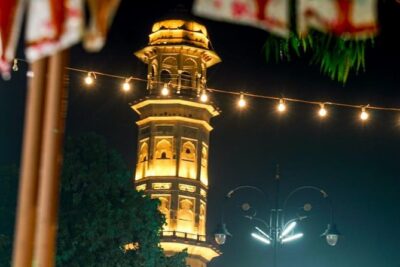 ★ 5.0Jaipur Heritage Evening Walk – The Twilight Magic of Pink CityFrom $3593 reviews
 ★ 5.0Nahargarh Water Walk – Guided 2-Hour Heritage Tour in JaipurFrom $3989 reviews
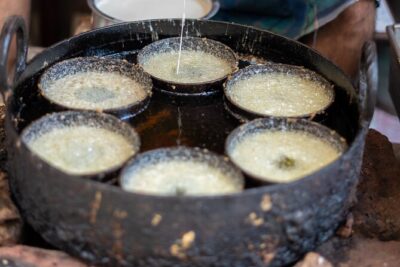 ★ 5.0Food Walking Tour in JaipurFrom $3971 reviews
Browse the lists this tour appears in