
REVIEW · COOKING CLASSES
Kitchen is Yours Cooking class in Jaipur with Pickup & Drop
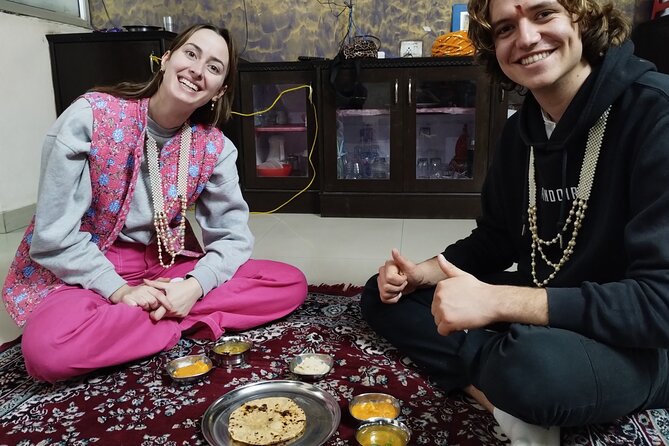
Cooking here starts like you are visiting family. You get a home-hosted class with pickup and drop, then you actually eat what you make. I especially like how you learn practical dishes, from chapati (roti) to dal and paneer, not just watching someone cook. One thing to plan for, the menu can vary by season.
In this class, you are welcomed into the kitchen, served a traditional drink like chai or lemon water, and introduced to Indian cooking in a way that makes sense right away. Rohit and his mum run the session, and you can ask questions after class about spices and how to make food taste better. Just know this is only about 3 hours, so if you want ultra detailed technique for every dish, you may need practice at home.
Key highlights you will feel right away
- Pickup and drop in Jaipur, so you spend less time figuring out how to get there
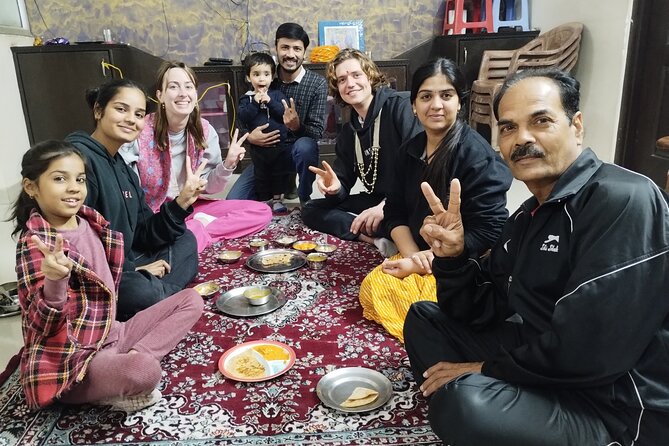
- A real home kitchen, led by Rohit and his mum
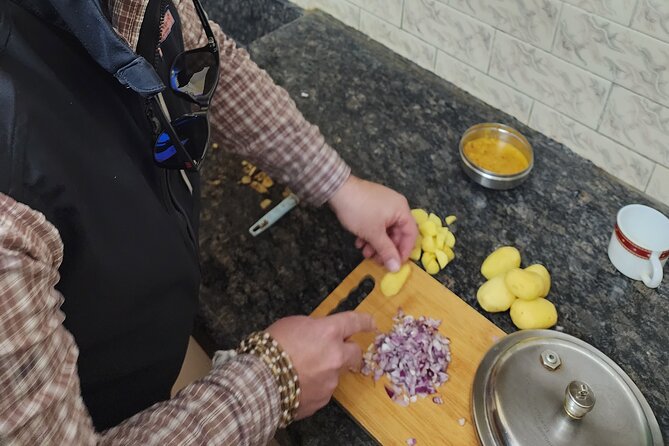
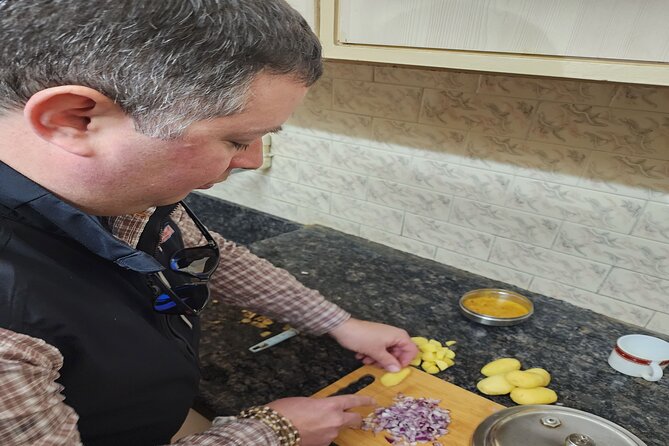
- Hands-on cooking with dishes like roti, seasonal vegetables, dal, paneer sabji, and dal and baati
- Sweet and tea lessons, including kheer, halwa, and masala tea (chai)
- Lunch and dinner included, so the class ends with a satisfying meal you made
- Small private group for a more personal pace, with a maximum of 6 people
Other kitchens that will teach you
- Pink City Cooking Class★ 5.0 · 452 reviews
- Jaipur Market Tour & Vegetarian Rajasthani Home Cooking Class★ 5.0 · 113 reviews
- Cooking Class in Jaipur – Family Experience with Meal & Transport★ 5.0 · 101 reviews
- Interactive Cooking Class with a Local Family in Jaipur★ 5.0 · 90 reviews
A Home-Hosted Cooking Class With Pickup and Drop
This is one of those Jaipur experiences that feels personal from the first minute. You are picked up and taken to a home kitchen, and instead of a classroom vibe, you get the real rhythm of Indian home cooking. There is something calming about learning in a lived-in space, where people cook every day, not just for tourists.
For me, the best part is the combination of hands-on lessons and eating the results. You do not just learn names of dishes. You shape dough, cook lentils, build flavors, and then you sit down to enjoy the meal. That final step matters. It makes the food click, because you taste the difference between right and almost-right.
The other major plus is the logistics-light setup. Pickup and drop means you can focus on cooking, not on navigating the city for a 3-hour activity. And because it is private, up to 6 people, you will usually get questions answered without feeling rushed.
From Chai Welcome to Kitchen Setup and Indian Cuisine Basics
The session starts with a warm, easy welcome. Before you touch a stove, you get a traditional drink, often chai or lemon water. This is a small detail, but it helps you slow down. You are not walking in cold and overwhelmed. You are settling in, and then you move straight into the cooking context.
Next comes a brief kitchen and cuisine overview. You are introduced to different types of Indian cuisine and how the ingredients and techniques connect. It is not a long lecture. The goal is practical. You learn enough background that when you later hear words like masala, lentils, or slow-cooked sweets, you understand what role they play.
Then you get rolling with the dishes. The instructor teaches you how to make several classics, and the kitchen becomes your classroom. The way the class is structured makes beginners feel capable, because you start with core skills like making roti (chapati) and basic dal, then you build from there.
The Recipes You Learn, From Roti to Paneer and Dal
Your hands will stay busy in the best way. The menu can change depending on the season, but the core set of skills tends to include multiple savory dishes. Here is what you should expect to learn during the class.
Chapati (Roti)
Roti is the foundation for so many Indian meals. You will learn how to make it in a kitchen setting where the texture matters. The technique is simple to understand, but the timing takes practice. Watching someone guide your first attempts helps a lot, especially if you have only ever used store-bought bread.
Seasonal vegetable dishes
You will also learn a seasonal vegetable preparation. This is a great way to understand how Indian cooking adapts. When vegetables change with the time of year, the spice mix and cooking method often shifts too. It is not just variety for variety’s sake, it is flavor logic.
Dal (Lentils)
Dal is comfort food and protein. You will learn how to cook lentils until they taste rich and smooth, not chalky. Even if you are a beginner, dal tends to be forgiving when you understand the basics of simmering and seasoning.
Paneer sabji (Cottage cheese)
Paneer is one of those ingredients that can taste bland if handled poorly, but amazing when it is cooked the right way. Learning paneer in a guided setting is smart because texture matters. You get to understand how paneer holds its form and how the sauce should cling to it.
Dal and baati
You may also learn dal and baati. If you have never had it, it is a satisfying, hearty combination often linked with Rajasthan. This is a strong choice for Jaipur, because it ties your meal to the wider region.
A key benefit of this recipe mix: you learn a “menu map.” Roti pairs with dal. Vegetables balance richness. Paneer adds a creamy element. When you taste your own cooking at the end, you start to see how a full Indian plate gets built.
Sweet Skills and Masala Tea, Kheer and Halwa Included
Every good Indian meal needs something sweet, and this class includes proper lessons there. You will learn to make kheer (rice pudding) and halwa (often made with semolina). These are classic desserts, and the cooking style teaches you more than sweetness.
Kheer helps you understand gentle cooking and patience. Rice pudding is about texture and timing, not speed. Halwa teaches how to handle semolina or similar bases so they turn silky instead of grainy.
And then there is masala tea (chai). This part is especially useful if you want to recreate the experience back home. You get the chance to see how spices and tea interact, and you learn a method you can repeat without needing fancy equipment.
After the cooking, you also get time to ask more questions about masala and tips to make food taste better. This is where a home class beats a big-group demo. You can ask the practical things that matter to your future self, like what to adjust if your flavor feels flat, or how to fix sweetness, spice, or thickness.
Other things you can learn to make here


Lunch and Dinner: Eating What You Cook (and Why It Matters)
You are not left standing around after class. Lunch and dinner are included, and that is a big value point.
When you eat what you make, you do two things at once:
- You confirm what you did well.
- You notice what you would tweak next time.
That feedback loop is where the learning sticks. If roti comes out too thick, you can spot it right away. If dal tastes different from what you expected, you know which step might need adjusting. And if your dessert comes out thicker or thinner than you like, you can connect texture to cooking time.
Also, the class setting makes it easier to eat comfortably and ask follow-up questions. You are not rushing to another stop. You are simply continuing the meal conversation in a real kitchen setting.
Price and Value for About $32 for 3 Hours
At $31.77 per person for about 3 hours, this class is priced like a budget-friendly food experience. But the better way to think about value is what you get for that price.
You get:
- A cooking class and meals, including lunch and dinner
- Coffee and/or tea
- Transport for pickup and drop off
- All fees and taxes
So you are not paying only for instruction. You are paying for time, food, guidance, and getting to and from a home kitchen without the hassle. That combination is what makes the price feel fair.
The small private group also helps value. A maximum of 6 people means the experience is less likely to feel like a fast-moving show. It tends to be easier to get your questions answered, and it is more comfortable for first-time cooks.
Practical Tips so Your Jaipur Cooking Day Runs Smooth
A few simple things can make a big difference.
Tell them about allergies and dietary needs upfront
If anyone in your party has allergies, dietary restrictions, or cooking preferences, advise at booking. Since the menu may vary by season, clear communication matters even more.
Plan for a weather-dependent activity
The class requires good weather. If it is canceled due to poor weather, you will be offered a different date or a full refund. If you are visiting during a season with unpredictable showers, keep some flexibility in your schedule.
Wear clothes you can cook in
This is hands-on. You will be near heat, flour, and food prep. Wear something comfortable and practical.
Use the mobile ticket
You get a mobile ticket. Keep it handy on your phone so check-in is quick.
Expect pickup timing to be location-based
Pickup and drop are included, but the exact pick-up area is not spelled out here. You should still plan for some travel time in your day, and confirm the pickup details once you book.
Who This Jaipur Class Fits Best
This experience is a strong match if you want more than food photos. You want skills. You want to understand ingredients and cooking methods enough to repeat them later.
It is especially good for:
- Beginners who want guided help with roti, dal, and paneer
- Food lovers who like the idea of making a whole meal, not one dish
- People traveling with a small group who want a private, calmer experience
- Anyone curious about Indian tea culture, because masala tea is included
If you are the type who hates hand-on activities, this might feel like work. But if you like learning through doing, it is a very friendly way to spend your time in Jaipur.
And since it is private with a maximum of 6 people, it is also easier to set expectations for pace. You can ask questions after you cook, not only during a busy demonstration.
Should You Book This Jaipur Cooking Class?
If your goal is to leave Jaipur with real cooking confidence, I think you should book it. The strongest reasons are practical: you learn multiple dishes, you make them with guidance in a home kitchen, and you eat lunch and dinner you prepared. The pickup and drop also make the day easy.
The main reason you might skip is if you have very specific dish requirements. Because the menu can vary by season, you should accept that the exact lineup may shift. If you need certain items due to allergy or strict preferences, book only when you have clearly communicated your needs.
My recommendation is simple: book this when you want a genuine home-style cooking experience and when you are happy to spend 3 hours learning, tasting, and asking questions. It is one of those activities that feels like a meal with a story, not just a ticket.
FAQ
How long is the Jaipur cooking class?
It runs for about 3 hours.
What meals are included?
Lunch and dinner are included, along with coffee and/or tea.
Do I get pickup and drop-off?
Yes. Transport for pickup and drop-off is included.
Is it a private class?
Yes. It is a private tour or activity, with only your group participating. The class has a maximum of 6 travelers.
Does the menu stay the same every time?
The menu may vary depending on the season.
What if someone in my group has allergies or dietary restrictions?
You should advise the provider at booking about allergies, dietary restrictions, or cooking preferences so they can plan accordingly.
More to Make in Jaipur
- Pink City Cooking Class
★ 5.0 · 452 reviews - Jaipur Market Tour & Vegetarian Rajasthani Home Cooking Class
★ 5.0 · 113 reviews - Cooking Class in Jaipur – Family Experience with Meal & Transport
★ 5.0 · 101 reviews - Interactive Cooking Class with a Local Family in Jaipur
★ 5.0 · 90 reviews - Jaipur: Block Printing Workshop and Hands-on Experience
★ 5.0 · 78 reviews - Hands-on Block Printing Workshop
★ 5.0 · 76 reviews
Other Kitchens in Jaipur
- Pink City Cooking Class
★ 5.0 · 452 reviews - Jaipur Market Tour & Vegetarian Rajasthani Home Cooking Class
★ 5.0 · 113 reviews - Cooking Class in Jaipur – Family Experience with Meal & Transport
★ 5.0 · 101 reviews - Interactive Cooking Class with a Local Family in Jaipur
★ 5.0 · 90 reviews - Jaipur Pink City Cooking Class
★ 5.0 · 73 reviews - Jaipur: Interactive Cooking Class with a Local Family
★ 4.9 · 58 reviews
More Tour Reviews in Jaipur
- Jaipur: Private Full Day Sightseeing Tour By Car with Guide
★ 4.9 · 1,839 reviews - 3-Hour Morning Bike Tour of Jaipur
★ 5.0 · 1,253 reviews - Jaipur: Private Sightseeing Day Tour with Guide by Car
★ 4.8 · 773 reviews - Jaipur: Full-Day City Tour with Car, Guide & Skip-the-Line
★ 4.8 · 512 reviews - Full-Day Jaipur Private Sightseeing Tour by Car with Guide
★ 5.0 · 472 reviews - Pink City Cooking Class
★ 5.0 · 452 reviews
Fresh on the site: newer Jaipur tours we have written up




Cooking Classes, compared.
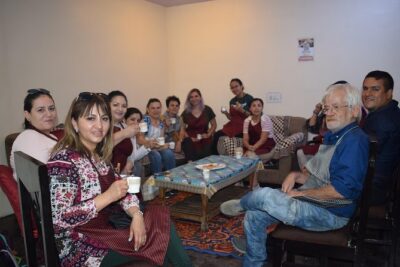 ★ 5.0Pink City Cooking ClassFrom $27452 reviews
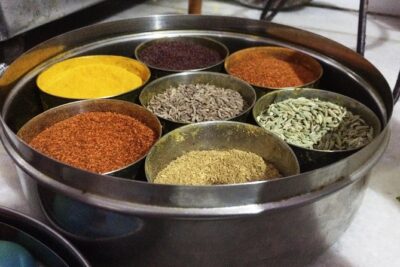 ★ 5.0Jaipur Market Tour & Vegetarian Rajasthani Home Cooking ClassFrom $60113 reviews
 ★ 5.0Cooking Class in Jaipur – Family Experience with Meal & TransportFrom $29101 reviews
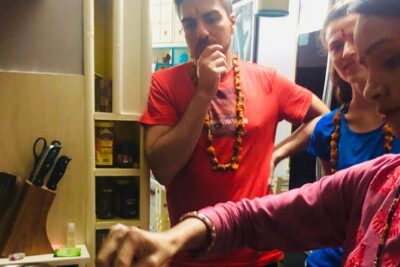 ★ 5.0Interactive Cooking Class with a Local Family in JaipurFrom $2690 reviews
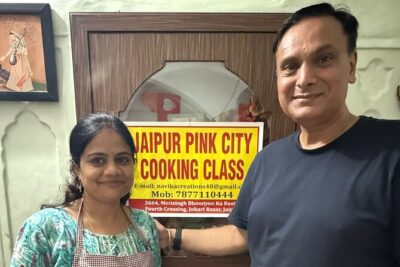 ★ 5.0Jaipur Pink City Cooking ClassFrom $2073 reviews
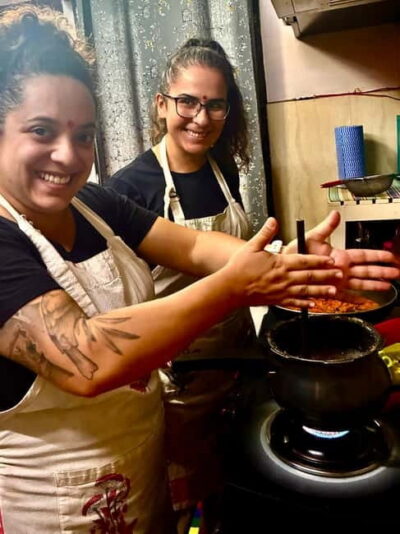 ★ 4.9Interactive Cooking Class with a Local FamilyFrom $2458 reviews
 ★ 5.0Traditional cooking class and storytelling sessionFrom $2748 reviews
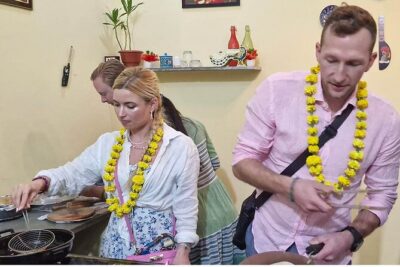 ★ 5.0Indian Cooking Class with Local Family in JaipurFrom $2234 reviews
Browse the lists this tour appears in