
REVIEW · COOKING CLASSES
Jaipur: Interactive Cooking Class with a Local Family
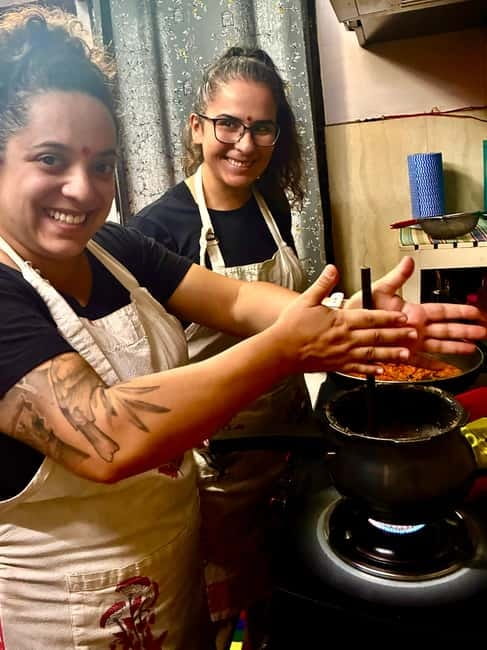
Cooking with a real Jaipur family feels personal. In Monty and Harshita’s kitchen, you learn North Indian staples step by step, then sit down for the meal together. You also get to talk spices, technique, and family recipes, not just follow a script.
I especially love the hands-on part, because you make round chapatis and a vegetable curry yourself, with guidance when the dough or heat is acting up. I also like the focus on spices and how to use them, explained in a way that makes sense whether you cook at home or you mostly eat out.
One thing to consider is access: the class uses stairs to reach the first floor, and it is not suitable for wheelchair users.
Key points before you book
- A local family kitchen in Jaipur with a warm, informal dinner-table feel
- Learn by doing chapatis and a vegetable curry, not just watching
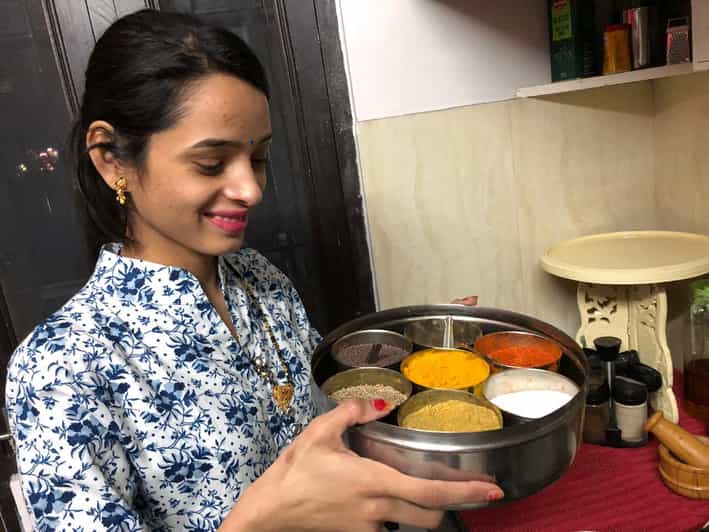
- Spice orientation first, so you understand what you’re tasting
- North Indian menu focus with dishes like chapati, paratha, seasonal veg curries, fried rice, dessert, and a traditional drink
- Hosts who teach in two styles, Monty’s more methodical approach and Harshita’s grandma-style knowledge
- E-recipes included, so you can repeat the dishes later
Other kitchens that will teach you
- Pink City Cooking Class★ 5.0 · 452 reviews
- Jaipur Market Tour & Vegetarian Rajasthani Home Cooking Class★ 5.0 · 113 reviews
- Cooking Class in Jaipur – Family Experience with Meal & Transport★ 5.0 · 101 reviews
- Interactive Cooking Class with a Local Family in Jaipur★ 5.0 · 90 reviews
Why this Jaipur cooking class feels like dinner with friends
Jaipur is full of markets, forts, and photo stops. This experience takes you past the usual sightseeing loop and into a real home, where food is social and daily, not staged.
You come in as a visitor, then quickly shift into helper mode. Monty and Harshita welcome you, explain what’s coming, and pull you into the rhythms of North Indian cooking. The presence of their daughter Gina also adds a lively, family-energy vibe that makes the evening less classroom and more hanging out while you cook.
The best part is that you’re not just eating something tasty. You’re understanding the logic behind it, like how spice timing affects flavor, how dough texture changes with small adjustments, and why a vegetable curry tastes different when the base is cooked the right way.
Welcome drink and spice primer, the part you’ll actually use later
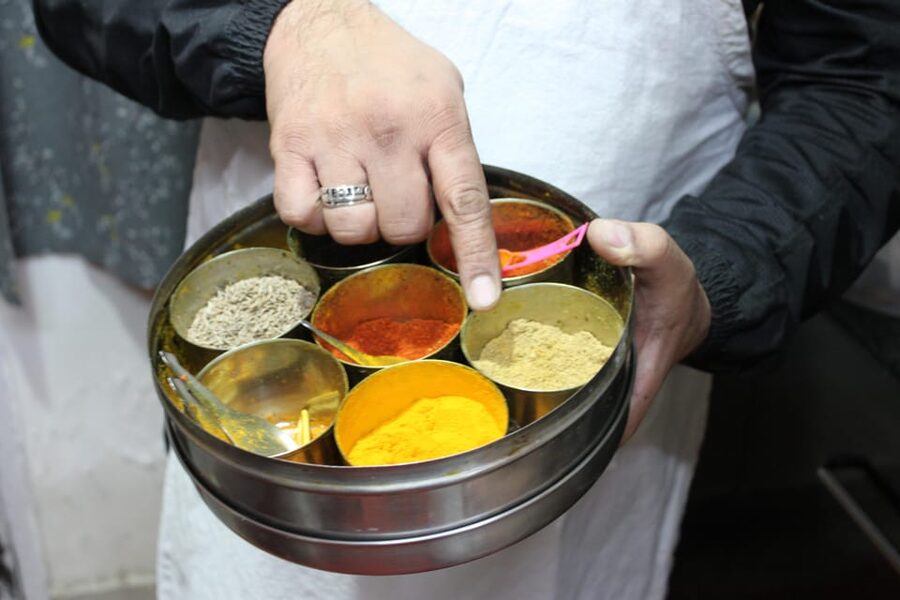
Before you touch ingredients, you get a welcome drink and a quick orientation to what you’ll cook. This is where the class does something smart: it doesn’t start with recipes, it starts with ingredients.
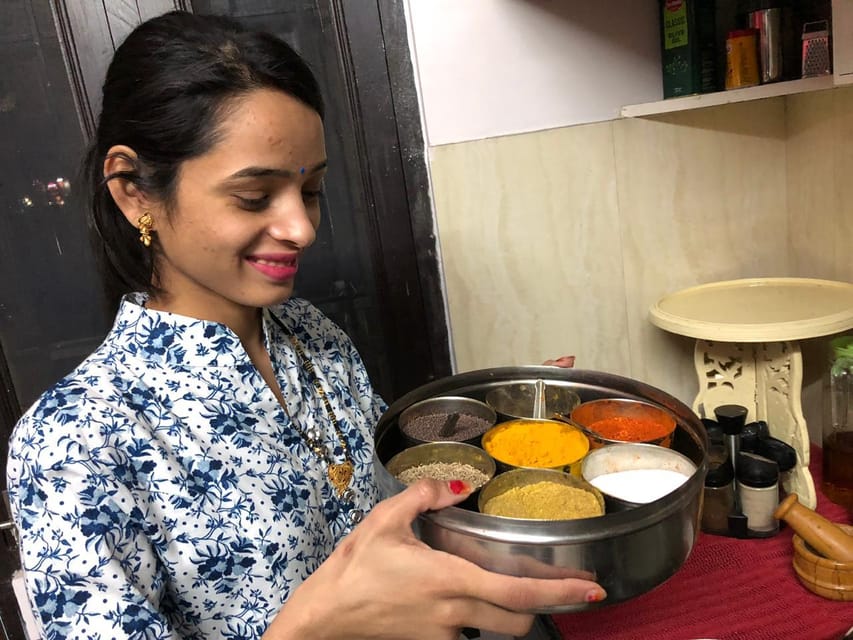
You’ll get an introduction to spices, herbs, and key ingredients used in the dishes. That matters because Indian cooking is not only about which spices you use, it’s also about when you add them and how you treat them in the pan. Even if your kitchen setup is different, those principles travel well.
In practice, this spice primer helps you later when you’re:
- Adjusting heat while tempering whole spices
- Figuring out why grinding and blooming spices can taste different
- Understanding how curry flavor builds in layers
If you’ve ever cooked from a restaurant recipe and wondered why yours tastes flat or one-note, this is the section that fixes that problem.
The demo-to-your-turn flow, how they teach without rushing you
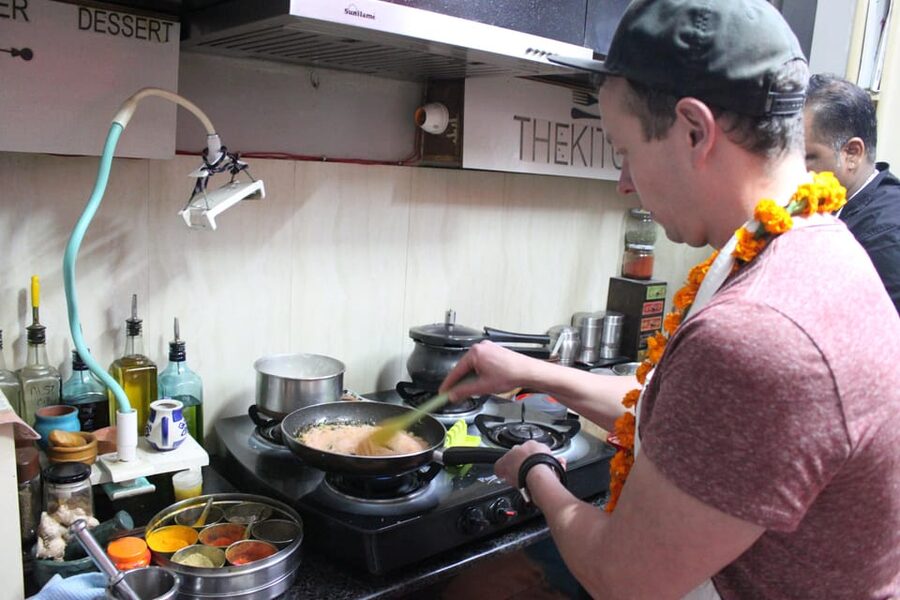
The class starts with a demonstration. You watch how the host handles each step, especially around dough work and pan technique. Then you get your turn.
That rhythm is a big reason people come out feeling confident. You get the visual model first, and then you try it while someone is there to correct the tiny stuff. With chapatis, for example, it’s rarely about talent. It’s about getting the dough right and cooking at the correct moment so it puffs and stays soft.
The hands-on structure also keeps you from feeling lost. You’re active the whole time, not just waiting for the next instruction. At roughly 2.5 to 3 hours, the timing is long enough for you to learn, but short enough that you’re not stuck in the kitchen for an entire day.
Making chapatis (and possibly paratha-style dough work)
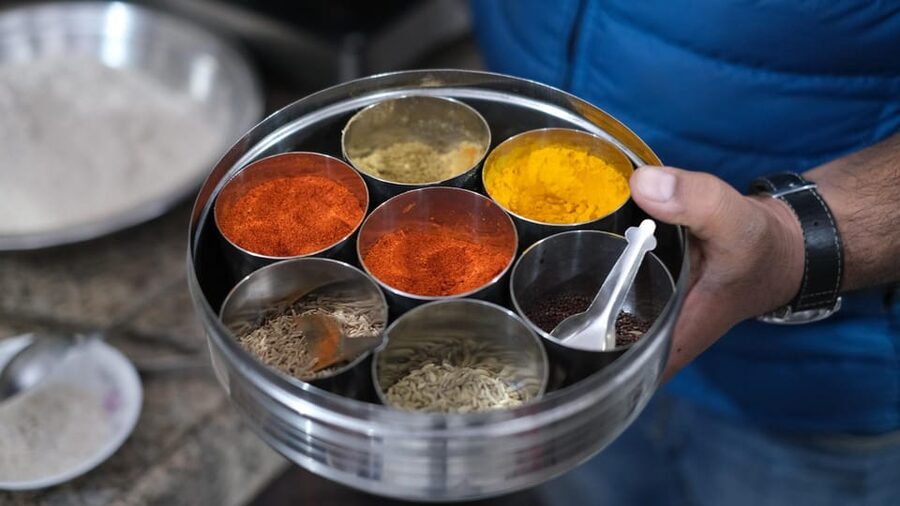
Round chapatis are the headline here, and you’ll learn to make them yourself. You’ll work dough, portion, roll, and cook. Then you’ll see how different thickness and heat affect the final texture.
Because the class leans North Indian, you may also encounter paratha-style techniques depending on the session. Even when the exact menu changes, the core skill transfers: how you handle dough, how you manage heat, and how you know when the bread is ready.
What I like about teaching this bread in a home kitchen is the honesty. Real kitchens don’t pretend perfection is instant. If your first one looks a little stubborn, the host helps you correct course and move on. That’s how you actually learn.
Other things you can learn to make here


Vegetable curry: learning the base, then building the flavor
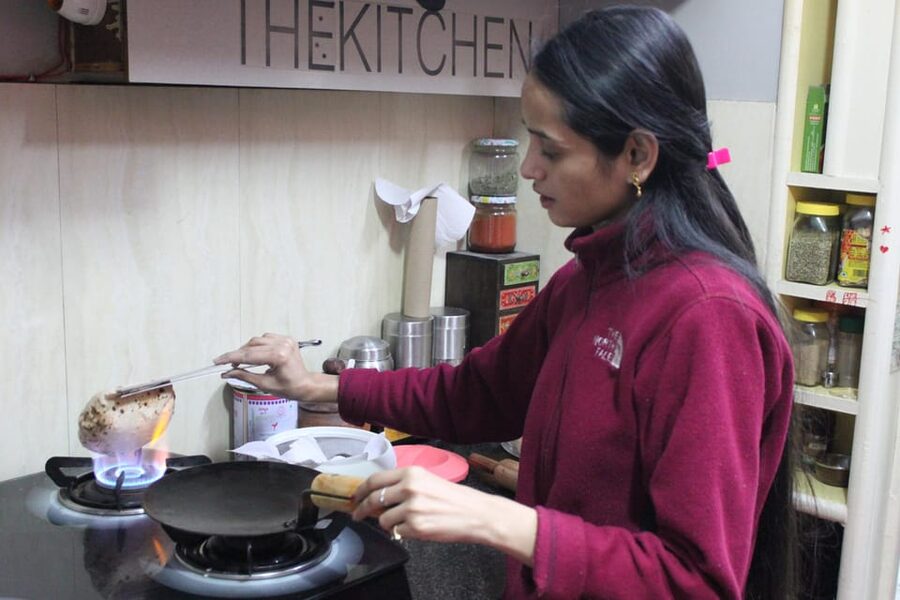
After the bread work, you shift to a vegetable curry. The goal is not only to produce a good bowl, but to show you how the flavor foundation gets made.
You’ll use fresh ingredients and learn how the curry comes together using spices and cooking order. Vegetable curries can taste simple when they’re in front of you, but the difference between good and great is often the base, the level of heat, and the way spices are treated.
During this part, pay attention to:
- How the host introduces spices
- The way the curry thickens and becomes aromatic
- How vegetables are added so they don’t turn dull or overcooked
Once you’re stirring and seasoning with your own hands, the class becomes less theory and more control. That’s when the experience sticks, because you’re not memorizing steps, you’re understanding cause and effect.
The meal: conversation, home-style sides, and the dessert finish
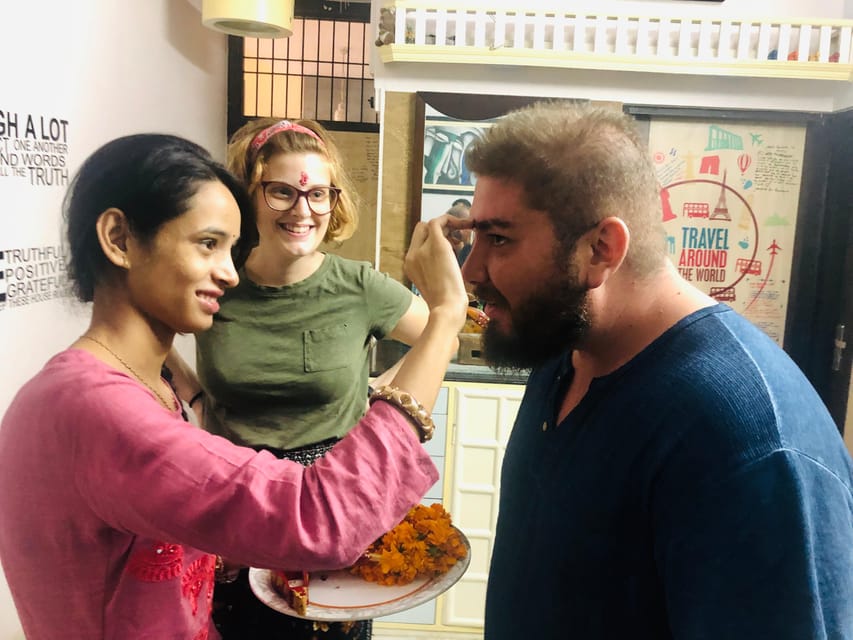
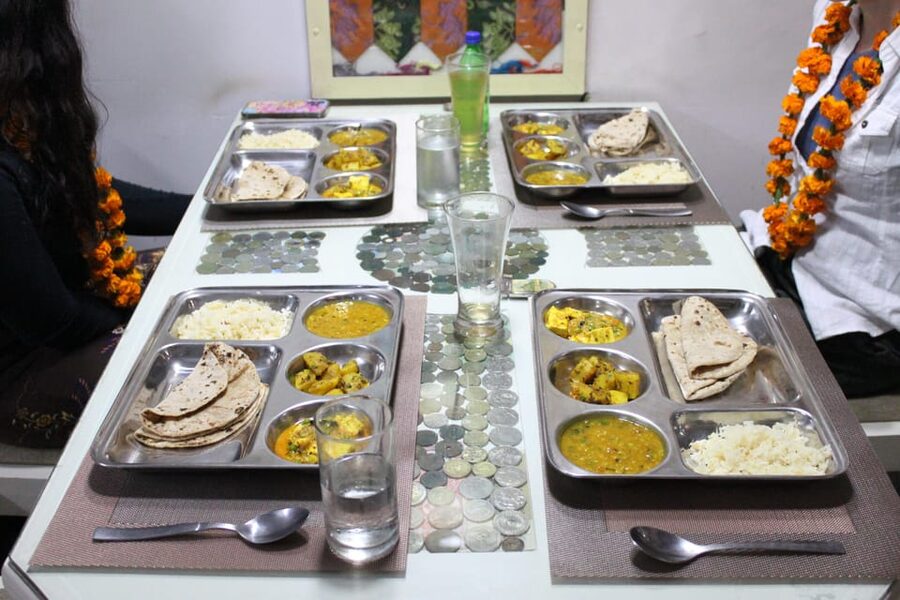
Cooking ends, but the experience doesn’t. You sit down to eat with the family, which is the heart of what makes this feel special.
You’ll enjoy the meal you made, plus other North Indian items depending on the session. The broader focus can include side dishes and fried rice, along with desserts. And you also get a traditional Indian drink and dessert included with your meal.
I also like that the hosts share the human side of cooking. Food here comes with stories about family recipes and what’s considered an older, well-loved style in their kitchen. That might not sound like a “skill,” but it helps you cook with a sense of purpose when you try to recreate it later.
Dessert is the satisfying closer. In Indian meals, dessert often marks the point where the meal transitions from spiced and savory to sweet comfort. Having it included means you finish with the full arc, not a rushed stop.
E-recipes you can reuse at home
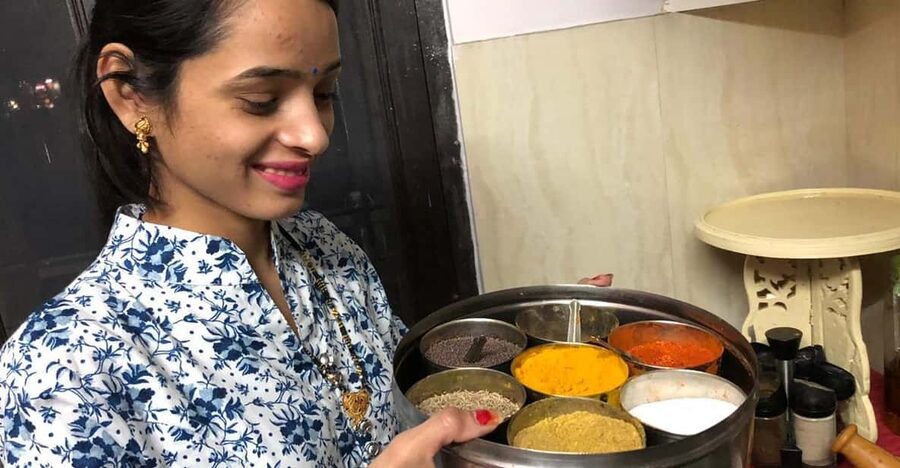
One practical perk: you get e-recipes of all the dishes you cook. This is one of those details that seems small while you’re there, but it makes a huge difference later when you want to repeat the food.
At home, your memory is fuzzy. Your phone notes are better than vague recollection. The e-recipes help you recreate the same dish structure, and they support the spice understanding you practiced in the kitchen.
If you care about actually cooking again after the trip, this inclusion makes the class feel like value, not just entertainment.
Price and value in Jaipur terms
At about $24 per person for a 2.5 to 3 hour hands-on class, the value is solid. You’re paying for three things at once:
- Instruction (including a spice and ingredient primer)
- Ingredient time and home-kitchen access
- A full sit-down meal with drink and dessert
Some cooking experiences end with tasting a dish that someone else made. This one asks you to contribute to the key items, like bread and curry. That’s why the price feels fair: you leave with food on your plate and skills you can repeat.
Also, the class can run as private or small groups, which usually means you get more attention than a big crowd setup. You’ll spend less time waiting and more time cooking.
Transport, timing, and what your day should look like
Transportation is not included, so plan how you’ll get there and back. Pickup is optional, and a driver can meet you in your hotel lobby or another location within Jaipur that you specify.
This is important if you’re staying in areas that require extra time to reach. The cooking happens on-site in a home, so you’ll want a realistic buffer for travel, especially if Jaipur traffic shifts your timing.
Once you’re there, remember the access detail: use the stairs to reach the first floor. The class is not suitable for wheelchair users, so if mobility is an issue, consider that before booking.
The instructor works in English, which makes the spice explanations and cooking guidance easier to follow. You’re also not stuck in silence. The atmosphere is informal and conversation-friendly, and you’ll get time to ask questions while you cook.
Practical tips so you enjoy the class from minute one
Here are the practical things that can make or break your experience.
Tell them about allergies or intolerances ahead of time. The class explicitly asks you to inform them, and it’s the fastest way to avoid awkward swaps once you’re in the kitchen.
Wear shoes and expect some stairs. You’ll use stairs to reach the first floor. Even if it’s just a short climb, comfortable footing helps.
Know the home rules. Pets are not allowed on the property. Smoking is allowed on the balcony, which implies smoking is not allowed inside.
Bring curiosity about spices. This is not only a cooking session. It’s also an explanation of why certain spices go in at certain moments, and how those choices change flavor.
If you do these things, you’ll spend less energy figuring out logistics and more energy learning.
Should you book this Jaipur cooking class?
Book it if you want something beyond sightseeing, and you enjoy interactive learning where you actually cook the food. It’s a great fit for food lovers who like structured guidance, and for anyone who wants to taste Jaipur through the lens of a family kitchen.
Skip it only if stairs are a problem for you, since the location uses stairs to reach the first floor and it is not suitable for wheelchair users. Also consider skipping if you’re expecting restaurant-style comfort and quiet, because this is a lived-in home experience with conversation.
If your goal is to take home real technique, not just recipes, this class is a strong choice in Jaipur. You leave fed, you leave with e-recipes, and you leave understanding how to make the flavors work.
FAQ
How long is the Jaipur cooking class?
The experience lasts about 2.5 to 3 hours.
What is the price per person?
The price is listed as $24 per person.
What’s included in the cooking class?
It includes welcome drinks, the cooking class with a local family, an introduction to Indian spices and ingredients, hands-on making of chapatis and vegetable curries, Indian dessert, and e-recipes of all cooked dishes.
What is not included?
Transportation to and from the activity is not included, and personal cooking equipment is not included.
Is pickup available?
Pickup is optional. A driver can meet you in your hotel lobby or another location within Jaipur that you choose.
Is the class taught in English?
Yes, the instructor teaches in English.
Can the class accommodate private or small groups?
Yes. Private or small groups are available, and a private experience can be requested.
Are there rules about pets and smoking?
Pets are not allowed on the property. Smoking is allowed on the balcony.
Is it wheelchair accessible?
No. The activity is not suitable for wheelchair users.
What should I do if I have food allergies or intolerances?
Inform the organizer about any food allergies or intolerances ahead of time.
More to Make in Jaipur
- Pink City Cooking Class
★ 5.0 · 452 reviews - Jaipur Market Tour & Vegetarian Rajasthani Home Cooking Class
★ 5.0 · 113 reviews - Cooking Class in Jaipur – Family Experience with Meal & Transport
★ 5.0 · 101 reviews - Interactive Cooking Class with a Local Family in Jaipur
★ 5.0 · 90 reviews - Jaipur: Block Printing Workshop and Hands-on Experience
★ 5.0 · 78 reviews - Hands-on Block Printing Workshop
★ 5.0 · 76 reviews
Other Kitchens in Jaipur
- Pink City Cooking Class
★ 5.0 · 452 reviews - Jaipur Market Tour & Vegetarian Rajasthani Home Cooking Class
★ 5.0 · 113 reviews - Cooking Class in Jaipur – Family Experience with Meal & Transport
★ 5.0 · 101 reviews - Interactive Cooking Class with a Local Family in Jaipur
★ 5.0 · 90 reviews - Jaipur Pink City Cooking Class
★ 5.0 · 73 reviews - Jaipur: Traditional cooking class and storytelling session
★ 5.0 · 48 reviews
More Tour Reviews in Jaipur
- Jaipur: Private Full Day Sightseeing Tour By Car with Guide
★ 4.9 · 1,839 reviews - 3-Hour Morning Bike Tour of Jaipur
★ 5.0 · 1,253 reviews - Jaipur: Private Sightseeing Day Tour with Guide by Car
★ 4.8 · 773 reviews - Jaipur: Full-Day City Tour with Car, Guide & Skip-the-Line
★ 4.8 · 512 reviews - Full-Day Jaipur Private Sightseeing Tour by Car with Guide
★ 5.0 · 472 reviews - Pink City Cooking Class
★ 5.0 · 452 reviews
Fresh on the site: newer Jaipur tours we have written up




Cooking Classes, compared.
 ★ 5.0Pink City Cooking ClassFrom $27452 reviews
 ★ 5.0Jaipur Market Tour & Vegetarian Rajasthani Home Cooking ClassFrom $60113 reviews
 ★ 5.0Cooking Class in Jaipur – Family Experience with Meal & TransportFrom $29101 reviews
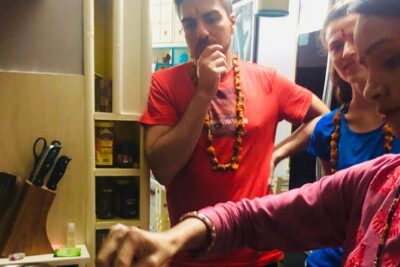 ★ 5.0Interactive Cooking Class with a Local Family in JaipurFrom $2690 reviews
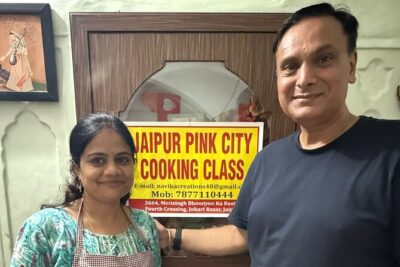 ★ 5.0Jaipur Pink City Cooking ClassFrom $2073 reviews
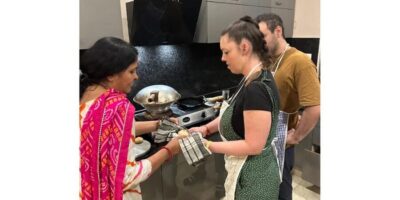 ★ 5.0Traditional cooking class and storytelling sessionFrom $2748 reviews
 ★ 5.0Indian Cooking Class with Local Family in JaipurFrom $2234 reviews
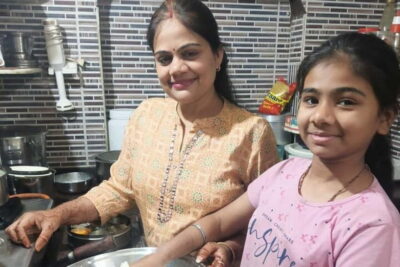 ★ 5.0Cooking Class with a Local FamilyFrom $1928 reviews
Browse the lists this tour appears in