

REVIEW · AMBER FORT TOURS
Vintage Walk Amer
Jaipur’s Amer feels personal on foot. Vintage Walk Amber strings together big sights and smaller, story-rich places in about 3 hours, with time for history, culture, and real local atmosphere. I like that you focus on Amer itself, instead of just rushing through photos, and that the guides are praised for patient explanations in English and Spanish.
What I really like is the balance. You spend time at major landmarks like Amber Palace, then you also hit Panna Meena ka Kund, a symmetrical stepwell scene, and end with the Anokhi Museum of Hand Printing, where you see how wood-block prints connect to daily life. I also appreciate the guide-led tone described by people on the tour, especially Hasseb and Mudassir, who are repeatedly described as attentive, gentle, and happy to answer questions.
One consideration: the itinerary is weather-dependent, and it includes indoor and outdoor walking. Also, double check what you actually get for Amber Palace entry, because the details list admission for the stop, but the notes also say entrance for Amber Palace is not included.
Key highlights before you go
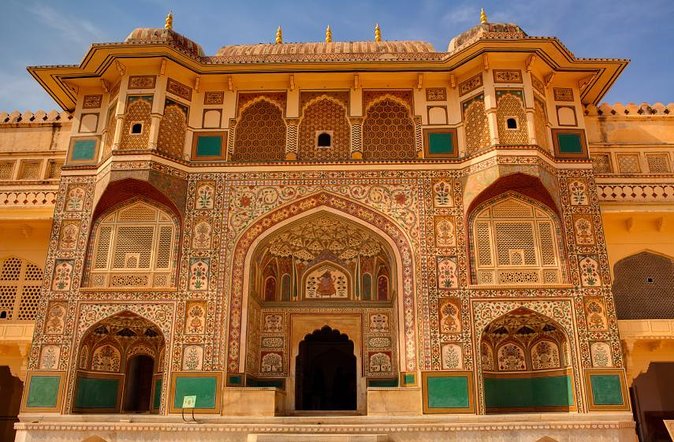
- Four Amer-area stops in one compact outing, keeping the focus on Jaipur’s roots
- Guides with English and Spanish skills, with strong comments about clarity and patience
- Panna Meena ka Kund stepwell for that memorable geometric, fairy-tale look
- Jagat Shiromani Ji Temple tied to Meera Bai, Krishna, and Vishnu, built in 1599 to 1608
- Anokhi Museum for hands-on context about wood-block printing heritage
- Private tour format, just your group, with pickup available (when selected)
Keep walking: other routes through the bazaars
- Jaipur Bazaar & Food Walking Tour★ 5.0 · 281 reviews
- Heritage Walk & Street Food Tasting in Jaipur★ 5.0 · 158 reviews
- Magical Walk of Jaipur★ 5.0 · 121 reviews
- Cultural Walk and Food Tasting In Jaipur★ 5.0 · 118 reviews
Vintage Walk Amber in a 3-hour Amer reality check
This is a walking tour based out of Amer (also spelled Amer/Amber), the area that sits about 11 kilometers from Jaipur. The whole experience is roughly 3 hours, and the meeting point is Amer Fort, Devisinghpura, Amer, Rajasthan.
The promise here is simple: you get a guided circuit that doesn’t feel like a race. Instead of bouncing across the whole city, you settle into one neighborhood and learn why it matters, from forts and temples to water architecture and craft.
It’s also set up for small-group comfort. The experience is described as a private tour/activity, meaning only your group participates. There’s pickup offered, and you’ll have a mobile ticket, which is helpful when you’re moving through busy streets.
Price and value: what $25 really buys you
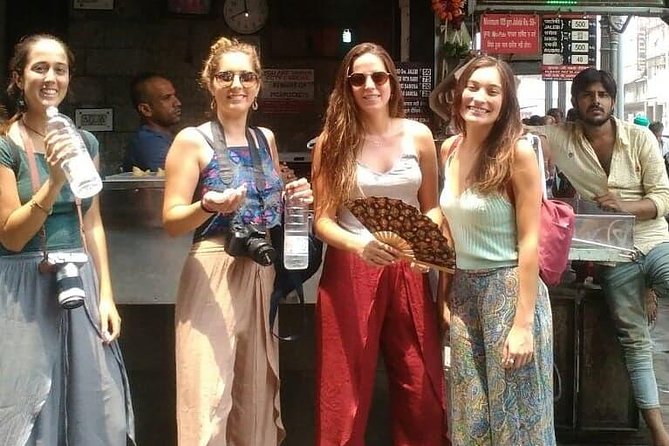
At $25 per person for about 3 hours, the value comes from what’s packed in. The tour notes that all fees and taxes are included, and the stop details specifically list admission tickets for multiple sites. That matters because entrances and on-site time add up fast in India.
There is one wrinkle to plan around. The stop list says Amber Palace has admission ticket included, but the “not included” list also says entrance for Amber Palace. I can’t fix the inconsistency for you, so I’d treat it as a must-check point before your walk begins. Ask your operator which exact ticket you hold for Amber Palace.
Also not included: lunch and private transportation. Since this is a walking format, you’ll rely on the route itself, and your “get there” plan matters. If you want a smoother start, use pickup if it’s offered for your booking.
Stop 1 at Amer Fort: Amber Palace’s scale and the stories behind it
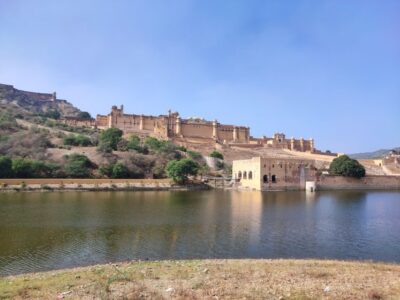
The tour begins at Amer Fort, then focuses on Amber Palace as the main first stop. Amer sits up on a hill, which is part of why these places feel so commanding when you approach. The fort and palace area is listed as an important tourist attraction, but the goal of this tour is what you learn while you’re there.
You’re scheduled for about 45 minutes, and the time is likely spent not just walking corridors but building context: why the palace looks the way it does, how power and faith show up in the space, and what life at Amer would have meant to the people connected to it.
A key benefit here is that you’re not treating Amber Palace as a checklist item. The strongest feedback in the tour record points to guides who explain details clearly and answer questions. That’s exactly what turns a visual place into a place with meaning, especially if you’re trying to understand the culture behind the architecture.
Practical note: even if you’re just standing and listening, the Amber Fort area involves moving around. Wear shoes you trust for uneven surfaces, and plan for sun and shade because this is partly outdoors.
Stop 2 at Panna Meena ka Kund: stepwell geometry you can actually feel
Next you move to Panna Meena ka Kund, the historic step well and rainwater catchment that’s known for its symmetrical stairways. You’re there for about 20 minutes, which is a good length. Long enough to take in the structure, short enough to keep the tour flowing.
This stop is more than a pretty structure. Stepwells in Rajasthan served practical roles, and the design reflects how people planned for water. When you stand near the symmetry, you can feel why it got described as almost fairy tale like. It’s an optical effect made by stairs that pull your eye inward and down.
The biggest value for you is perspective. After the palace, you shift from royal power to everyday survival planning. That contrast is a smart way to understand Amer as a whole, not just as a museum-like destination.
If you’re sensitive to crowds, this kind of site can be busy depending on the day. Still, the guided timing helps you spend your best moments where you can see the stair patterns clearly.
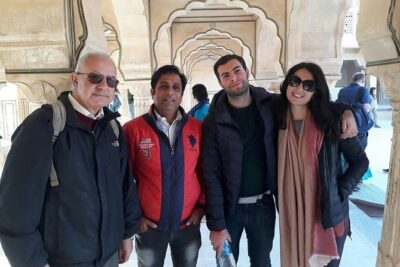
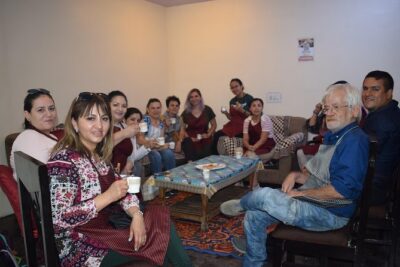

Stop 3 at Jagat Shiromani Ji Temple: Meera Bai, Krishna, and Vishnu in one stop
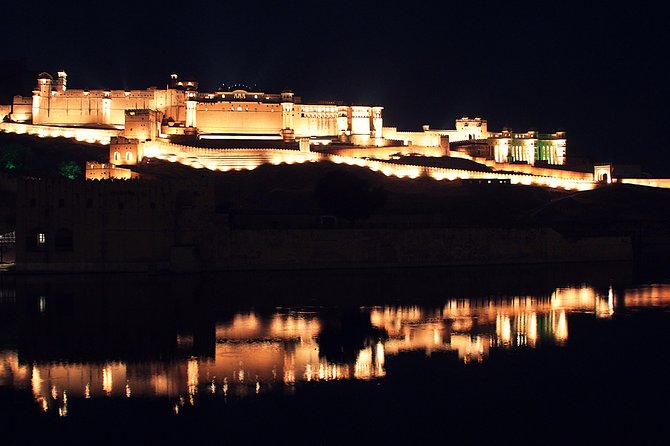
The tour’s third stop is Jagat Shiromani Ji Temple, located in Amer. You’re scheduled for about 15 minutes, so think of it as a focused cultural stop where a guide helps you connect dots quickly.
Here’s what makes this temple especially relevant: it’s dedicated to Hindu figures including Meera Bai, Krishna, and Vishnu. The temple is described as being constructed between 1599 and 1608 AD by Queen Kanakwati, wife of King Man Singh I, built in memory of their son Jagat Singh.
That specific background changes how you experience a temple visit. Instead of just seeing carvings and walls, you can understand the personal, family, and devotional context behind it. In a tour record packed with praise, guides are repeatedly described as kind, patient, and strong at explaining both customs and culture. That kind of explanation is what makes a short temple stop worthwhile.
A small trade-off: with only 15 minutes, you won’t linger like you might at a place you choose on your own. If you’re the type who loves long quiet time for prayer or photography, you might want to budget extra time later in your trip.
Stop 4 at Anokhi Museum: how wood-block printing turns into heritage
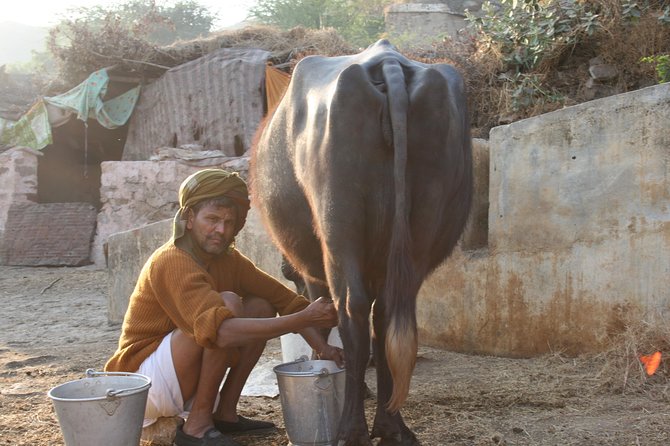
The final stop is Anokhi Museum of Hand Printing, in a traditional townhouse. You’ll get around 20 minutes here, which works well as a closing chapter.
This museum focuses on the art and heritage of wood-block printing. The key value is that you’re not just hearing the word “culture.” You’re seeing how craft, tools, and patterns connect to real output, and that connection helps you understand why motifs matter in Rajasthan.
Placing this stop after fort and temple makes sense. You finish with creativity and labor, a different kind of “power” story than what you saw at Amber Palace. And it’s also a good shift in pace. Forts and temples can feel heavy in scale, while a craft museum is easier to slow down in.
If you like hands-on history, you’ll probably enjoy how the museum format turns technique into something you can imagine using. This is also a stop where a good guide can help you spot what you’re looking at, instead of letting it become a generic room full of prints.
What the guides get right, based on the tour record
The tour record has a clear theme: the guides are repeatedly praised for communication and care. Guides named Hasseb and Mudassir show up in multiple highly rated comments, and their style is described as gentle, attentive, patient, and explain-first.
One of the best signs for you is that the praise isn’t only about facts. It’s also about questions and follow-through. People mention that the guide explains more than just monuments, including Indian culture and social details, and that they give practical references like restaurants and markets.
English and Spanish are specifically called out in the comments. If your language comfort is English or Spanish, this tour is a strong match because you’re less likely to lose nuance.
Also, there’s a mention of flexibility in how the day is handled, including a story about discussing prices without pressure. I still wouldn’t count on on-the-spot bargaining, but it does suggest the guide relationship is respectful and human.
Who should book this walk in Amer, and who should think twice
If you like guided history but hate long museum marathons, this is a solid fit. The tour format is built for people who want indepth culture and history without spending your whole day trapped in buses.
It’s also good if you’re trying to understand the “why” behind the places. Amber Palace is impressive, yes, but the stepwell and temple stops make the whole day more meaningful. You’ll come away with a more rounded idea of Amer, from water management to devotion to craft.
Think twice if you need long solo time. With four stops and a total of about 3 hours, it’s structured. You won’t have endless wandering time at any single location.
And plan around the weather requirement. The experience is marked as needing good weather, which makes sense for a walking route with outdoor sections.
Should you book Vintage Walk Amber?
I’d book it if you want a focused Amer day that mixes Amber Palace, a stepwell like Panna Meena ka Kund, a Meera Bai linked temple, and an end stop on wood-block printing heritage. The strong theme in the tour record is guide quality, especially clear explanations in English or Spanish, which is the difference between seeing buildings and actually understanding them.
Before you go, do one quick check: confirm what’s included for Amber Palace entrance, since the stop details and the notes conflict. If you get clarity on that point, you’re buying a well-paced cultural route at a price that feels fair for the number of sites and the guide-led time.
If your schedule is tight and you want more meaning than a photo tour, this is a great way to spend a morning in Amer.
FAQ
How long is the Vintage Walk Amber tour?
The tour lasts about 3 hours.
Where does the tour start and end?
The tour starts at Amer Fort, Devisinghpura, Amer, Rajasthan 302028, India, and ends back at the same meeting point.
Is pickup included?
Pickup is offered. The tour info also notes the meeting point is near public transportation.
What does the price include?
The tour lists all fees and taxes as included. It also indicates admission tickets for multiple stops, but see the Amber Palace question below for a possible inconsistency.
Is Amber Palace entrance included?
The stop detail for Amber Palace says admission ticket is included, but the not included section says entrance for Amber Palace is not included. It’s best to confirm with the provider what your specific booking covers.
What if the weather is bad?
The experience requires good weather. If it’s canceled due to poor weather, you’ll be offered a different date or a full refund.
Keep Walking Through Jaipur
- Jaipur Bazaar & Food Walking Tour
★ 5.0 · 281 reviews - Heritage Walk & Street Food Tasting in Jaipur
★ 5.0 · 158 reviews - Magical Walk of Jaipur
★ 5.0 · 121 reviews - Cultural Walk and Food Tasting In Jaipur
★ 5.0 · 118 reviews - Jaipur Heritage Walk with Rickshaw Ride
★ 5.0 · 105 reviews - Jaipur Heritage Evening Walk – The Twilight Magic of Pink City
★ 5.0 · 93 reviews
More Tour Reviews in Jaipur
- Jaipur: Private Full Day Sightseeing Tour By Car with Guide
★ 4.9 · 1,839 reviews - 3-Hour Morning Bike Tour of Jaipur
★ 5.0 · 1,253 reviews - Jaipur: Private Sightseeing Day Tour with Guide by Car
★ 4.8 · 773 reviews - Jaipur: Full-Day City Tour with Car, Guide & Skip-the-Line
★ 4.8 · 512 reviews - Full-Day Jaipur Private Sightseeing Tour by Car with Guide
★ 5.0 · 472 reviews - Pink City Cooking Class
★ 5.0 · 452 reviews
Fresh on the site: newer Jaipur tours we have written up




Amber Fort Tours, compared.
 ★ 5.0Jaipur Amer Fort, Jal Mahal & Stepwell Private Half-Day TourFrom $5204 reviews
 ★ 5.0Full-Day Jaipur City Tour with Amber Fort and City PalaceFrom $4499 reviews
 ★ 4.8From Delhi: Private Jaipur & Amber Fort Guided Tour by CarFrom $584 reviews
 ★ 5.0Amber Fort, Jal Mahal and Hawa Mahal Private TourFrom $2042 reviews
 ★ 4.5Full-Day Private Tour Heritage of Jaipur with Amber FortFrom $2421 reviews
★ 4.7Jaipur Amer Fort, Jal Mahal & Stepwell Private Half-Day TourFrom $5320 reviews
★ 4.5Jaipur Amer Fort, Jal Mahal & Stepwell Private Half-Day TourFrom $3916 reviews
Half Day Tour (Amber Fort, Panna Meena, Jal Mahal)From $2716 reviews
★ 4.5Full-Day Private Tour Heritage of Jaipur with Amber FortFrom $2421 reviews
★ 4.7Jaipur Amer Fort, Jal Mahal & Stepwell Private Half-Day TourFrom $5320 reviews
★ 4.5Jaipur Amer Fort, Jal Mahal & Stepwell Private Half-Day TourFrom $3916 reviews
Half Day Tour (Amber Fort, Panna Meena, Jal Mahal)From $2716 reviews
Browse the lists this tour appears in