

REVIEW · CHOKHI DHANI & VILLAGE EXPERIENCES
Uncover Hidden Treasures of Rural Life on a Village Tour
Step away from Jaipur’s traffic for a real village day. This private rural tour is built for people who want ordinary Rajasthan instead of another checklist of monuments, with countryside views and chances to do everyday tasks with local families.
I like that it comes with hotel pickup and private transportation, so the day stays calm instead of stressful. I also like the food angle, because the day typically includes sampling a Rajasthani meal, and the dal bati and thali style get repeated praise from people who have eaten during similar breaks on these tours.
One thing to keep in mind: you are trading city sights for a long out-of-town day that depends on good weather, so plan for outdoors time and dust, not museum comfort.
Key highlights worth your time
- Private, customizable format for your group, not a crowded bus tour
- Hotel pickup and roundtrip transport that makes rural areas easier to reach
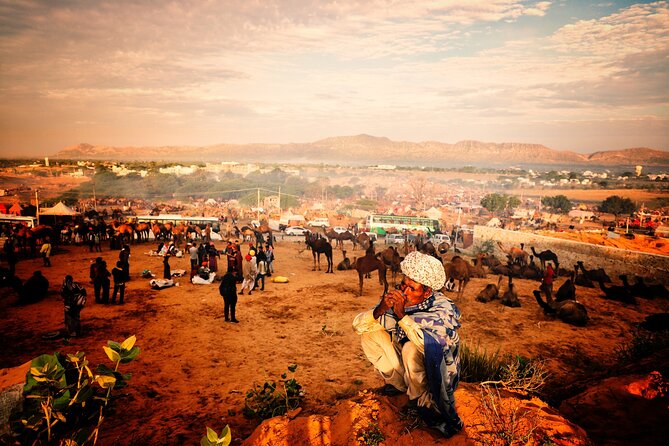
- Jamwa Ramgarh as the main village stop for seeing lived-in countryside
- Hands-on rural activities such as farming, weaving, cooking, or fishing (depending on what’s available)
- Rajasthani food sampling with strong thali and dal bati feedback tied to the day
- Bottled water and fuel, parking, and gratuities covered, so the budget is more predictable
Other ways to spend the same hours in Jaipur:
- Jaipur: Private Full Day Sightseeing Tour By Car with Guide★ 4.9 · 1,839 reviews
- 3-Hour Morning Bike Tour of Jaipur★ 5.0 · 1,253 reviews
- Jaipur: Private Sightseeing Day Tour with Guide by Car★ 4.8 · 773 reviews
- Jaipur: Full-Day City Tour with Car, Guide & Skip-the-Line★ 4.8 · 512 reviews
Rural life from Jaipur, with real-world context

This is the kind of Jaipur day trip that feels like a reset. Instead of racing between crowded viewpoints, you spend about 8 hours getting out into village country, where daily life is the main event. The point is simple: you come away with a better sense of how people live, work, and eat when tourism is not the center of the universe.
The “private” part matters more than it sounds. You are not stuck matching a stranger’s pace or interests. If you want to ask questions, ask them. If your group is more interested in craft, you can put more time there. If you want extra time in the countryside for photos and walking, the day can usually flex.
This also helps you avoid a common Jaipur frustration: you can see a lot, but it can start to feel like you are watching performances. Here, the focus is on practical skills and daily rhythms. Farming, weaving, and cooking are not taught like a show, they are tied to real households and real work.
Price and logistics, what you actually pay for
At $73.03 per person for a full-day village experience, the headline price looks reasonable for what you get: pickup, a private vehicle, and multiple built-in supports. The best value detail is that several typical add-ons are already covered, including bottled water, fuel surcharge, parking fees, and gratuities.
Here’s the part that can affect your total cost: monuments and palace entry fees are not included. The day may include cultural stops such as temples or other historical sites, but entry costs, if any, would be on you. Because the tour is designed as a village-focused day, think of any paid entries as a possible extra, not the core of what you are buying.
Also, the tour uses a mobile ticket, and confirmation happens at booking. If you like having everything ready in advance, this is one of those smooth details that reduces last-minute uncertainty.
If you’re traveling with friends, ask about group discounts. The tour is described as private, meaning your group rides together, but discounts can still apply to certain group sizes depending on how the provider schedules capacity.
Getting to Jamwa Ramgarh: why pickup is a big deal
The main village stop is Jamwa Ramgarh, and the tour is built around a straightforward reality: rural areas are harder to navigate on your own. When a day trip is out of town, the city transfer time can eat your energy and your curiosity.
That’s why I’m glad pickup is part of the plan. You get help getting started, you don’t have to figure out local transport mid-morning, and you are less likely to lose time finding the right roads. Private transportation also means you can keep the day moving at a pace that suits your group.
Because the tour is private and your group is the only group involved, the experience is also less stop-and-start. Instead of waiting while people gather and argue over meeting points, your driver and guide can run the day like a single plan.
One practical note: the experience is listed as near public transportation, which can be useful if you need a backup plan. Still, the whole point here is avoiding the work of figuring out rural directions.
What rural activities look like in practice
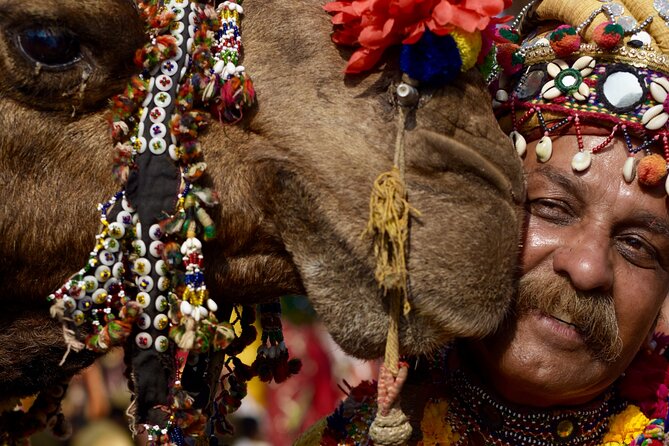
The day is not only about looking at villages. You should expect hands-on participation in traditional activities. The tour description highlights opportunities like farming, weaving, cooking, and even fishing.
Now, here’s how to think about that realistically. These activities depend on what’s available in that moment, and they also depend on what local families have going on that day. Some experiences may be more active and physical, others more observational, and the balance can shift with season and local schedules. The upside is that you are not locked into one scripted skill. You are meeting people and learning through everyday tasks.
What you’ll likely get from these activities is context. For example:
- Farming and field work help you understand how people plan around water, soil, and seasons, not just how land looks.
- Weaving connects craft to family labor and to practical needs like textiles for daily life.
- Cooking shows ingredients, spice use, and technique, and it often leads to the best kind of questions: why this step matters, not just what the finished food tastes like.
This is also where rural travel becomes more than scenic countryside. You step out of your comfort zone in a safe way, by trying tasks people do routinely. Even if you just watch closely and help for a moment, you’ll leave with a better sense of rhythm, tools, and patience.

Conversations with local families, temples, and meaningful landmarks
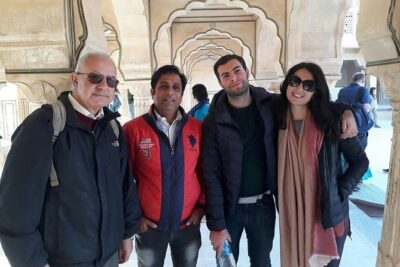
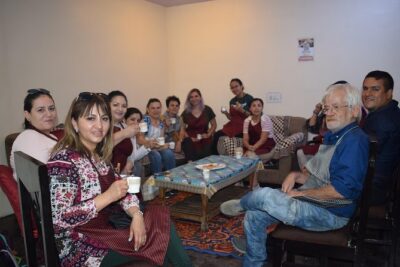
A big part of this tour is time with local people and family-based explanations. You should expect discussion about cultural landmarks and historical sites, including references to places such as temples, ruins, or palaces, along with why they matter.
This is one of the best values in a village experience: people can explain significance in plain language, not in polished brochure wording. Instead of guessing at symbols, you get the story behind them while you are already in the environment that shaped those stories.
When the day includes a temple or other site, keep your expectations grounded. You are not on a fast photo lap. You are there to understand the living meaning of the place. That usually means a slower pace, respectful behavior, and questions that sound more like curiosity than checklist collecting.
A useful mindset: ask about everyday details. For example, how families manage work and routine around seasons, festivals, and schooling. Even if you do not get everything, those small answers often create the biggest understanding gaps closing.
The countryside drive: views plus breathing room
The route through the countryside is part of the experience. You can expect rolling hills, fields, and quaint villages, away from the densest tourist crowds of Jaipur.
This matters because your brain needs contrast. After a day of Jaipur traffic, the open views and slower pace can feel like you actually traveled somewhere. The driving time is not wasted because the scenery supports the theme of the day: rural life is shaped by place.
That said, you should plan for comfort realities. Rural days can bring dust, heat, and changing light, so it helps to bring practical items like a hat and sunglasses. Also consider that you may spend time outdoors around homes and working areas. If you prefer air-conditioned, step-in-and-out travel, this might not be the right style for you.
Food sampling and the dal bati thali moment
This is not a dinner cruise, but food is still a core part of village days. The tour description explicitly points to sampling local cuisine, and in service feedback tied to the day’s meal experience, the Rajasthani thali gets consistent love.
The repeated favorites include dal bati, plus the idea that a thali can feed two people if you share. The key point for you is not just taste, it’s pacing. A solid local meal gives you a break from walking and talking, and it’s one of the few moments where rural travel turns restful instead of active.
Service also comes up in the feedback, especially a staff member named Harry, praised for kind, helpful attention during the meal. If you’re the kind of traveler who cares about how people treat you, this part of the day is likely to feel warm and human, not rushed.
If you have dietary needs, this tour data does not list specific options. So I’d plan to mention your preferences clearly ahead of time, then be ready to adjust based on what’s available locally during the village meal break.
Customization: how to steer your private day
Because the tour is private and can be customized, you can shape the day around your group’s interests. The tour description specifically says this can suit your needs, which matters for a rural format.
Here are smart ways to use that flexibility:
- If your group is craft-minded, spend more time around weaving-related tasks and questions.
- If you’re more curious about daily chores, lean into farming or cooking participation.
- If you want cultural context, ask more about temples and other landmarks and their significance.
Also, because it’s private, you can control how much you want to be hands-on versus how much you prefer learning by watching. Some people like doing, some like observing, and either approach is valid here as long as you respect the work and pace of local families.
Timing for an 8-hour village day, what to expect
Plan on a full day. At around 8 hours, this tour is long enough to feel complete, but not long enough to relax like a weekend. The day typically includes travel out of Jaipur, time at the village and countryside, participation in everyday activities, and a meal break.
A few timing tips help:
- Start your day with water and keep bottled water handy, since it’s included.
- Wear comfortable shoes you can walk in on uneven ground.
- Bring a light layer for changing temps, since rural air can shift quickly.
If you travel with kids or anyone who gets tired easily, the best approach is to treat this as a learning day, not a marathon. Build in short pauses, especially after hands-on tasks.
Also note the tour depends on good weather. If conditions are poor, the experience may be canceled and you may be offered a different date or a full refund. That means your best strategy is to book on a day when your forecast looks stable.
Who should book this, and who might skip it
This tour is a great fit if you want:
- A break from Jaipur crowds and congestion
- A rural day that focuses on how people live, work, and cook
- A private setup with hotel pickup and fewer logistical headaches
- Hands-on activities like farming and weaving, even if you do them only briefly
It might be less ideal if you:
- Want a schedule packed with major monument stops and formal palace tickets
- Strongly prefer staying indoors or riding in a fully climate-controlled route all day
- Have very limited tolerance for dust, walking, and outdoor time
The private nature helps. Your group can slow down for photos, ask extra questions, and choose how interactive you want the day to be.
Should you book the Jaipur hidden-treasures village tour?
I’d book this tour if your idea of a great day in Jaipur is not just seeing famous places, but understanding the people behind the state. The combo of private transport, Jamwa Ramgarh, and the chance to take part in everyday activities gives you more meaning per hour than most “quick day trip” alternatives.
You should think twice if you are expecting major palace entry tickets included, or if you hate weather-based plans. The tour data is clear that monument and palace entry fees are not included, and it requires good weather.
If you like practical travel, this one has the right bones: pickup, a focused rural theme, bottled water, and a meal that is often treated as a highlight through strong Rajasthani thali and dal bati feedback, with attentive service mentioned for staff like Harry.
FAQ
How long is the village tour from Jaipur?
The duration is about 8 hours.
What’s included in the price?
The tour includes bottled water, fuel surcharge, gratuities, parking fees, and private transportation.
Do I pay for palace or monument entry fees separately?
Yes. Any monuments and palace entry or admission fees are not included.
Is hotel pickup provided?
Yes, hotel pickup is included, so you do not have to figure out transport on your own.
Does this tour require good weather?
Yes. The experience requires good weather, and if it’s canceled due to poor weather, you will be offered a different date or a full refund.
Is there free cancellation?
Yes. You can cancel up to 24 hours in advance for a full refund. If you cancel less than 24 hours before the start time, the amount paid is not refunded.
More Tours in Jaipur
- Jaipur: Private Full Day Sightseeing Tour By Car with Guide
★ 4.9 · 1,839 reviews - 3-Hour Morning Bike Tour of Jaipur
★ 5.0 · 1,253 reviews - Jaipur: Private Sightseeing Day Tour with Guide by Car
★ 4.8 · 773 reviews - Jaipur: Full-Day City Tour with Car, Guide & Skip-the-Line
★ 4.8 · 512 reviews - Full-Day Jaipur Private Sightseeing Tour by Car with Guide
★ 5.0 · 472 reviews - Private Full Day Jaipur Sightseeing Tour By Tuk Tuk
★ 5.0 · 382 reviews
More Tour Reviews in Jaipur
- Jaipur: Private Full Day Sightseeing Tour By Car with Guide
★ 4.9 · 1,839 reviews - 3-Hour Morning Bike Tour of Jaipur
★ 5.0 · 1,253 reviews - Jaipur: Private Sightseeing Day Tour with Guide by Car
★ 4.8 · 773 reviews - Jaipur: Full-Day City Tour with Car, Guide & Skip-the-Line
★ 4.8 · 512 reviews - Full-Day Jaipur Private Sightseeing Tour by Car with Guide
★ 5.0 · 472 reviews - Pink City Cooking Class
★ 5.0 · 452 reviews
Fresh on the site: newer Jaipur tours we have written up



Chokhi Dhani & Village Experiences, compared.
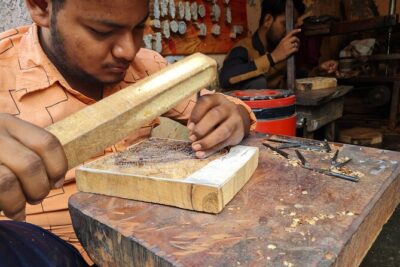 ★ 5.0Block Printing & Village Stories: Discover Bagru’s Craft LegacyFrom $5842 reviews
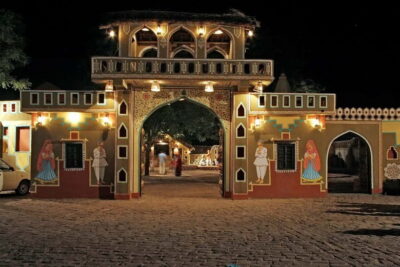 ★ 4.3Cultural Evening Tour & Dinner at Chokhi DhaniFrom $3710 reviews
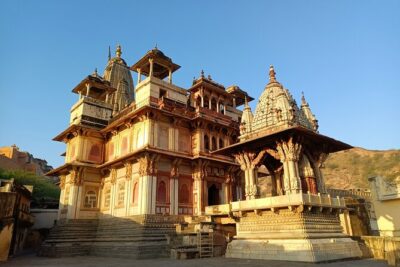 ★ 5.0Amber village heritage tour including Amber fortFrom $2510 reviews
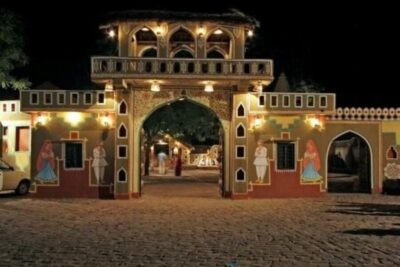 ★ 4.6Jaipur Evening Tour Chokhi Dhani village culture with dinnerFrom $368 reviews
 ★ 5.0Chokhi Dhani with Private Transportation and DinnerFrom $386 reviews
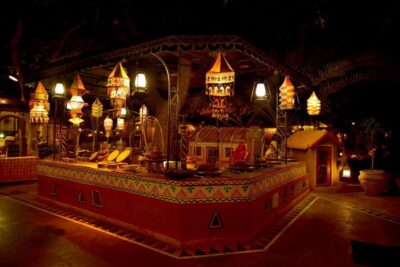 ★ 3.2Chokhi Dhani Local Village ExperienceFrom $193 reviews
 ★ 5.0Visit to Chokhi Dhani multi cuisine dinner with transfersFrom $453 reviews
Browse the lists this tour appears in