
REVIEW · GALTAJI MONKEY TEMPLE TOURS
Jaipur: Full-Day City Tour with Camel Ride and Monkey Temple
Jaipur in one day is a busy joy. This full day tour strings together Amber Fort with Jantar Mantar, then adds the surprise factor of a camel ride and a temple full of monkeys. It is a compact way to understand why Jaipur looks so ceremonial, and why its rulers cared about math, design, and daily life.
I especially like how the stops cover different sides of the city, from fortress planning to royal window architecture. You also get a guided flow that saves you from hopping between locations on your own and trying to figure out the story connections. The one drawback to keep in mind is that the order can shift depending on your hotel, and the Monkey Temple part can involve a steep stone slope, so it helps to walk steadily and stay calm around the animals.
You start at 8 AM with pickup from your hotel lobby and you are back after a long day of forts, science, lunch, and shopping. The itinerary is packed, but it is built around major sights most people want in Jaipur.
Key highlights at a glance
- Amber Fort built for defense and drama, with gates, courtyards, and palace spaces that all mean something
- Jal Mahal and Water Palace views from Man Sagar Lake, plus exhibits covering weapons, costumes, and art
- A camel ride at the Water Palace, turning a photo stop into an actual experience
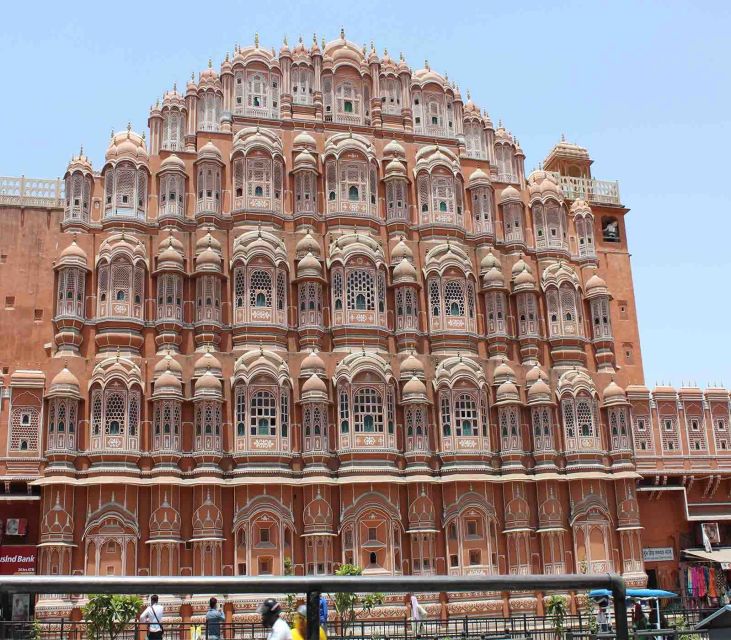
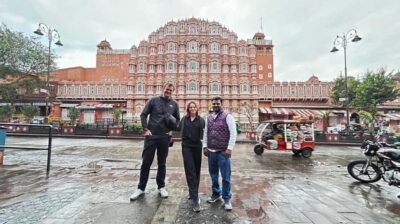
- Hawa Mahal’s 953 windows, with latticework designed to move air and frame the street
- Jantar Mantar’s planet and time tools, built under Maharaja Jai Singh II for accurate observation
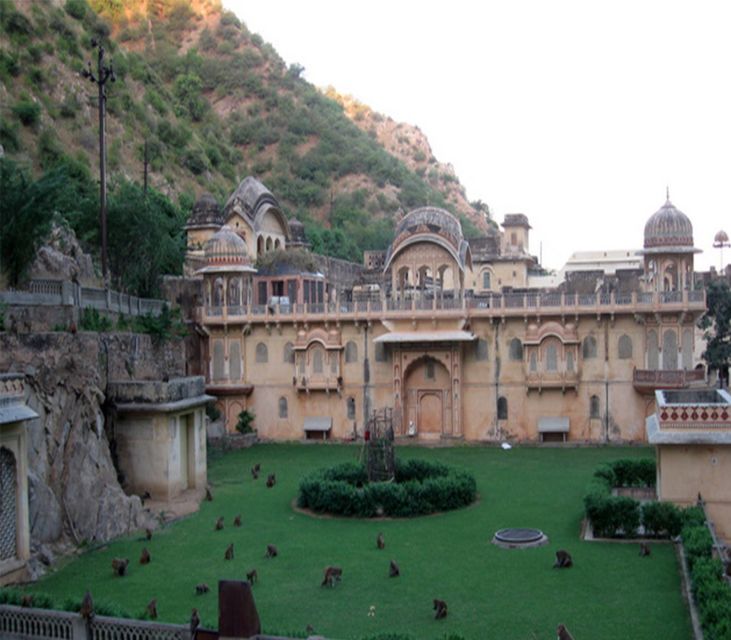
- Galtaji Monkey Temple with holy pools, where bathing rituals meet a very active monkey scene
Other full days across Jaipur
- Jaipur: Full-Day City Tour with Car, Guide & Skip-the-Line★ 4.8 · 512 reviews
- Pink City Cooking Class★ 5.0 · 452 reviews
- Private Jaipur Full One Day Tour In Pink City With Guide★ 5.0 · 322 reviews
- Jaipur: Private Full-Day Guided City Tour★ 4.9 · 308 reviews
A 9-hour Jaipur remix that actually makes sense
This tour is built for people who want the big Jaipur hits without spending days planning. You get hotel pickup at 8 AM and a full 9-hour day that mixes grand architecture, royal heritage, and an astronomy site that still feels technical today.
The value is not just the number of stops. It is the way the day connects themes: power and protection at Amber Fort, royal aesthetics at the Water Palace and Hawa Mahal, and then the city’s interest in measuring the sky at Jantar Mantar. If you like seeing how places tell one larger story, this format works.
One practical note: the order of monuments can change based on where your hotel is. That is normal with real driving days in Jaipur, but it also means you should be flexible about timing and not assume the exact sequence will feel identical to someone else’s day.
Amber Fort: gates, courtyards, and Man Singh’s defensive elegance
Amber Fort is the kind of place where details matter, because the layout is the point. You will walk through the fort’s spaces where each gate, courtyard, and palace area has historical significance, not just scenery for photos. The fort was built by Man Singh, the Rajput king, and the defensive planning shows in how the complex unfolds.
What I like about starting here is that it sets your expectations for Jaipur. Amber Fort makes it clear the city did not just build for comfort. It built to withstand threats, control movement, and impress visitors.
Wear shoes you can trust. Fort stairways and uneven surfaces are part of the experience, and you will want to keep your legs fresh for the later walk time at the day’s other temples.
Jal Mahal and the Water Palace exhibits, plus a camel ride
After the fortress, you shift to a very different visual mood at Jal Mahal, also called the Water Palace. It sits in the middle of Man Sagar Lake, and the day description even notes that the royal family of Jaipur still resides there, so you are seeing a living layer of history, not only a preserved monument.
This is also your camel ride moment. Riding at the Water Palace turns a scenic stop into something more memorable than standing and taking pictures. It is also a nice pace change after Amber Fort, because you get movement and a new vantage point over the lake area.
The Water Palace exhibitions are a strong bonus. You will see a huge collection of weapons, plus royal costumes, Mughal miniatures, antiques, and paintings. Even if you are not a museum person, this mix helps you picture how rulers traveled, dressed, and projected authority. It gives context for why the architecture feels so deliberate.
Hawa Mahal’s 953 windows and the Air Palace design logic
Next comes the Air Palace, better known as Hawa Mahal. This is where Jaipur’s design obsession becomes obvious. It was built by Maharaja Sawai Pratap Singh, and the main feature is the 953 small windows decorated with intricate latticework, a crisscross pattern of strips of wood.
Why those windows matter is not just the number. They are part of how the building functioned in everyday royal life. The many openings create rhythm and repetition, and the lattice pattern gives shade and texture while still allowing views.
If you are the type who likes to understand what you are seeing, spend a little extra time looking at the gridwork. It is the kind of detail that makes Hawa Mahal feel crafted, not just monumental.
More full days across Jaipur

Jantar Mantar: time and planets made measurable
Jantar Mantar is the stop that surprises people who expected only forts and palaces. This astronomical observation site was built by Maharaja Jai Singh II, and it was meant to produce accurate observations about astronomy, time, planets, and other celestial bodies.
The payoff here is that you get a real lesson in how a ruler approached knowledge. Instead of treating astronomy as abstract, the site shows practical measurement tools built into the landscape. When you see the instruments and their purpose, you start to connect why the day’s royal buildings feel so serious about planning and order.
This is also a great moment to slow down. You are not rushing between photo angles. You are looking at objects that were designed to compute and predict, and that changes the way you read the city around them.
Galtaji Monkey Temple: holy pools, steep steps, and calm handling
The Monkey Temple, also called Galtaji Temple, brings the day to a more active, sensory experience. This Hindu temple is home to a large number of monkeys, and the site includes seven water pools filled with holy water where followers come to bathe and wash away their sins.
It is beautiful and meaningful, but it is also practical to think about how the scene works. One caution: the stop can involve walking up to the temple through a steep stone slope. If you have knee issues or you get unsteady on rough steps, plan for slower movement and solid footing.
Food and hands can become an issue here. A past experience described a guide throwing food that led to the monkeys cornering the group, and that is exactly why I recommend you keep your distance from the animals and avoid encouraging behavior. Keep snacks secured, keep your pockets closed, and do not react fast if a monkey approaches.
The best way to enjoy this stop is to treat it like a sacred place with wildlife nearby. Watch from a respectful distance, then move on when you feel the tension rising.
Lunch, shopping, and keeping the day from feeling like a sprint
You will have lunch at a local restaurant after the Water Palace time. This is one of those small but important inclusions. When a day is heavy on walking, a proper meal is what keeps you from turning the rest of the sights into a blur.
After lunch, you continue to the day’s architectural and science highlights, and then the tour ends with browsing famous shops before returning to your hotel. Shopping in Jaipur can be a time sink if you do not set expectations. Here, you get a built-in window, which is handy if you want a few items without spending hours bargaining and switching streets on your own.
How to make this feel more like your day: when the guide gives any flexibility with time, lean into it. Ask for sensible tradeoffs like spending a bit more time at a sight you care about or adjusting the sequence if weather gets unpleasant. The difference between a rushed day and a rewarding one is often how early those decisions happen.
Price and value: what $113 buys on a day like this
At $113 per person for a 9-hour full-day format, the main value is convenience plus coverage. You are getting hotel pickup, a live English guide, transport between major sights, and built-in experiences like the camel ride and the Water Palace exhibition time.
Is it the cheapest way to see Jaipur? Probably not. But it is often the better deal when you want to hit the biggest landmarks in one go and you do not want to coordinate drivers, timing, and site navigation yourself. In a city like Jaipur, the cost of “figuring it out” can be higher than it looks, especially if you are visiting in heat or limited time.
A quick decision rule: if you only have one day, or you want a structured plan that hits Amber Fort, Hawa Mahal, Jantar Mantar, and Galtaji without extra research, this pricing starts to feel reasonable. If you already have a driver and want to linger at fewer sites, you might spend less by building your own route.
Also consider guide quality. One positive experience described a guide who spoke English very well, added humor, and improvised in a way that made the day feel more personal. Another experience noted disappointment when the guide did not match expectations and the day felt hurried. That is why I suggest confirming your must-see stops at the start of the tour and asking how the guide plans to handle any weather changes.
Should you book this Jaipur full-day tour?
Book it if you want a single, guided day that covers Amber Fort, the Water Palace area with exhibits, Hawa Mahal, Jantar Mantar, and the Monkey Temple, with a camel ride and lunch included. It is a good fit for first-timers who like structure and for people who want a mix of architecture, science, and street-level energy without building a complicated route.
Skip it or at least be cautious if you want a slow pace, if you have trouble with steep stone steps, or if you strongly prefer a strict itinerary with zero flexibility. This day is efficient, and that can feel great, but it also means you need to stay adaptable and communicate clearly.
If you book, do two simple things: confirm the Monkey Temple stop you want at the beginning of the day, and keep your expectations realistic about how quickly you will move from site to site. With that mindset, you will leave Jaipur with a lot more than a list of photos, you will have seen the ideas behind the city.
FAQ
What time is hotel pickup?
Pickup is at 8 AM from your hotel lobby.
How long is the tour?
The tour runs for 9 hours.
What sights does the tour include?
You visit Amber Fort, the Water Palace (Jal Mahal) area with exhibits, Hawa Mahal (Air Palace), Jantar Mantar, and the Monkey Temple (Galtaji Temple). The day also includes lunch and browsing local shops.
Do you get a camel ride?
Yes. You enjoy a camel ride at the Water Palace area.
Is there an English-speaking guide?
Yes, there is a live tour guide in English.
Can the order of places change?
Yes. The order of monuments can change based on your hotel location.
Is lunch included, and is there time for shopping?
Yes. The tour includes lunch at a local restaurant, and it also includes time to browse famous shops.
More Full Days Across Jaipur
- Jaipur: Full-Day City Tour with Car, Guide & Skip-the-Line
★ 4.8 · 512 reviews - Pink City Cooking Class
★ 5.0 · 452 reviews - Private Jaipur Full One Day Tour In Pink City With Guide
★ 5.0 · 322 reviews - Jaipur: Private Full-Day Guided City Tour
★ 4.9 · 308 reviews - Jaipur Guided City Tour: City Palace, Jantar, Hawa & Jal Mahal
★ 5.0 · 186 reviews - Jaipur: Private Full Day Jaipur City Tour with Pick-Up & Drop.
★ 5.0 · 183 reviews
More Tours in Jaipur
- Jaipur: Private Full Day Sightseeing Tour By Car with Guide
★ 4.9 · 1,839 reviews - 3-Hour Morning Bike Tour of Jaipur
★ 5.0 · 1,253 reviews - Jaipur: Private Sightseeing Day Tour with Guide by Car
★ 4.8 · 773 reviews - Jaipur: Full-Day City Tour with Car, Guide & Skip-the-Line
★ 4.8 · 512 reviews - Full-Day Jaipur Private Sightseeing Tour by Car with Guide
★ 5.0 · 472 reviews - Private Full Day Jaipur Sightseeing Tour By Tuk Tuk
★ 5.0 · 382 reviews
More Tour Reviews in Jaipur
- Jaipur: Private Full Day Sightseeing Tour By Car with Guide
★ 4.9 · 1,839 reviews - 3-Hour Morning Bike Tour of Jaipur
★ 5.0 · 1,253 reviews - Jaipur: Private Sightseeing Day Tour with Guide by Car
★ 4.8 · 773 reviews - Jaipur: Full-Day City Tour with Car, Guide & Skip-the-Line
★ 4.8 · 512 reviews - Full-Day Jaipur Private Sightseeing Tour by Car with Guide
★ 5.0 · 472 reviews - Pink City Cooking Class
★ 5.0 · 452 reviews
Fresh on the site: newer Jaipur tours we have written up



Galtaji Monkey Temple Tours, compared.
 ★ 5.0Jaipur Tuk Tuk Sightseeing Tour with Monkey Temple Sunset ViewFrom $7108 reviews
 ★ 5.0Private Jaipur Tuk-Tuk Tour with Monkey TempleFrom $886 reviews
 ★ 5.0Jaipur Guided Tour with Monkey TempleFrom $1355 reviews
 ★ 4.6Private Evening Tour with Monkey Temple SunsetFrom $627 reviews
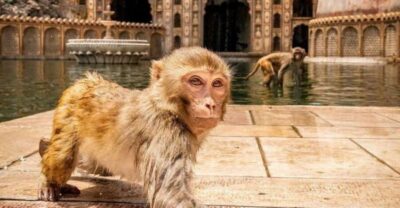 ★ 5.0Jaipur sightseeing tour with monkey temple (Galta ji temple)From $2415 reviews
 ★ 5.0Abhaneri & Bhangarh Day Trip – Car, Guide, Lunch & Monkey TempleFrom $4512 reviews
 ★ 5.0Private Full-Day Jaipur Guided Tour with Monkey TempleFrom $1311 reviews
 ★ 4.9Tour with Nahargarh Sunrise or Monkey Temple SunsetFrom $298 reviews
Browse the lists this tour appears in