
REVIEW · SHOPPING TOURS
Jaipur City Tour with Traditional Flower Market Visit
Flower markets and forts, in one long day. This private Jaipur city tour strings together an early morning local market walk, big-name sights like Hawa Mahal and Amer, and several lesser-noticed stops that make the day feel more personal than a quick checklist.
I love the flower and vegetable market walk, especially the way you move from landmark photo time into the real rhythm of selling, smelling, and choosing blooms. I also love that it’s done in a private AC car with pickup and drop-off, so you can focus on sights instead of transit logistics.
One thing to consider: the schedule is full, and the monument entrance fees are not included, so your final day cost can jump quickly once you add sites and any camera fees.
Key highlights before you go
- Morning flower market with walking time: If you pick the 7:00 AM to 8:00 slot, you’ll go to the flower and vegetable market on foot after a quick Hawa Mahal photo moment.
- Chai and snack stop built into the route: You get complementary masala chai and snacks like samosa or kachori (plus bottled water).
- Amer area, stepwell, and lake-side views: You cover Amer Town, Panna Meena Ka Kund, and Jal Mahal without needing to coordinate anything yourself.
- Monuments with actual “how it works” context: Stops like Jantar Mantar and City Palace help you understand Jaipur’s design, science, and power.
- A calm temple add-on if you want it: Galta Ji Temple is included in the full route, with spring water tanks and hilltop views (just plan for climbing).
- Small private group: It’s private for your group, up to 3 people, which keeps the experience flexible.
Other full days across Jaipur
- Jaipur: Full-Day City Tour with Car, Guide & Skip-the-Line★ 4.8 · 512 reviews
- Pink City Cooking Class★ 5.0 · 452 reviews
- Private Jaipur Full One Day Tour In Pink City With Guide★ 5.0 · 322 reviews
- Jaipur: Private Full-Day Guided City Tour★ 4.9 · 308 reviews
How the morning flower market sets the tone in Pink City Jaipur
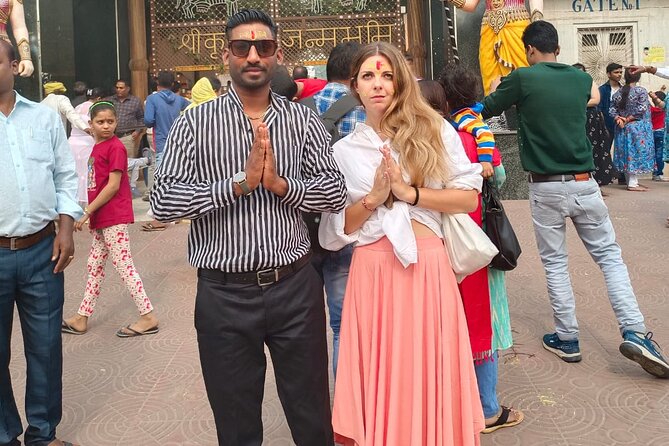
You start with pickup in Jaipur City in an air-conditioned car, then you’re moving early for one reason: the flower and vegetable market visit works best before the day gets too hot and too crowded. If you select the 7:00 AM to 8:00 time slot, that market walk is built into the plan.
Before the market, there’s a short photo opportunity at Hawa Mahal. It’s a smart warm-up. You get your bearings with one of Jaipur’s most recognizable silhouettes, then you transition from big-photo Jaipur into the smaller, hands-on city life near the market.
The walk to the flower and vegetable market takes you past an 18th-century heritage building. That detail matters because it reminds you you’re not only sightseeing, you’re also moving through lived-in streets and older architecture that still shapes how people move and sell.
You also learn how Indian local selling works for flowers and vegetables. Even if you don’t buy anything, this kind of guided explanation gives the whole market visit more meaning than just looking at stalls.
Chai, samosa, and a break that keeps the day enjoyable
Right after the market visit, the tour takes you to some of the oldest local food stores for masala chai and snacks. You’ll get something like samosa or kachori, and you can expect tea or coffee, with options like lassi mentioned in the inclusions.
This break is practical. Jaipur can hit hard with sun and stone, and a short food stop keeps you from turning the rest of the day into a blur. It also gives you a chance to reset your pace, especially if you plan to shop later.
A small but useful inclusion: bottled water. When the itinerary runs 9 to 10 hours, small hydration help actually matters.
If you’re picky about timing, this is one of the few parts of the day that feels pleasantly human instead of purely camera-focused. You’re not sprinting. You’re eating, chatting, and then rolling into the monuments.
Amer Town: Mughal-Rajput power you can see up close
After the early market and snack stop, the route moves toward Amer Town, about 11 kilometers from Jaipur. Amer is a great first “fort and palace” chapter because it shows how Rajasthan blended Rajput and Mughal ideas into architecture you can still read today.
This stop includes key landmarks like Sheesh Mahal, also called the Mirror Palace. You don’t have to be an architecture expert to feel why mirrors matter here. Light plays differently in a room like that, and it turns decoration into atmosphere.
Another notable piece: Sila Devi Temple. It adds a religious and cultural layer to the usual “royal residence” framing. You’re not only looking at power structures, you’re seeing how these spaces functioned as more than just royal display.
One practical note: Amer-style sites often involve stairs and uneven surfaces. The tour doesn’t spell out difficulty level, but you should assume you’ll do some walking and climbing. Wear shoes you can trust.
Panna Meena Ka Kund: a stepwell that feels quieter and more real
Next comes Panna Meena Ka Kund, a 16th-century stepwell described as a little bit of a hidden gem, in the sense that it often gets less attention than the headline forts. The real value is that it’s in the shadow of a famous fortress, so you see the contrast between grand power and everyday infrastructure.
Stepwells in Rajasthan are about water management, daily life, and clever engineering. Even if you’re not thinking about plumbing, you can see how designed steps bring people to water and how the space creates a specific coolness.
Because the site is a stepwell, you might spend more time looking down, noticing carved edges, and understanding how people would have accessed water. It’s one of those stops that feels slower, and it breaks up the day so you don’t only do stone palaces.
If you’re the type who likes unusual stops that aren’t always the first ones on a photo list, you’ll appreciate this inclusion.
More bazaars, more block-print, more bargaining
Jal Mahal and Man Sagar Lake: a palace-on-water moment
Then you head toward the city monuments with a stop for Jal Mahal. This is the palace that sits in the middle of Man Sagar Lake, and it’s famous precisely because it looks like it’s floating.
Even if the best angles are from specific viewpoints, the stop gives you something different from the fort-and-temple rhythm. It’s Jaipur’s playful side, the one that uses water and reflection to change how architecture feels.
Because the route includes a lot of major monuments after this, Jal Mahal works as a visual breather. You shift from walking around structures to looking at how the palace sits within the water horizon.
Just remember that you’ll likely be moving back into city stops quickly after, so keep your camera ready and your patience set to transition mode.
Royal Gaitor cenotaphs: carved stone memorials with standout details
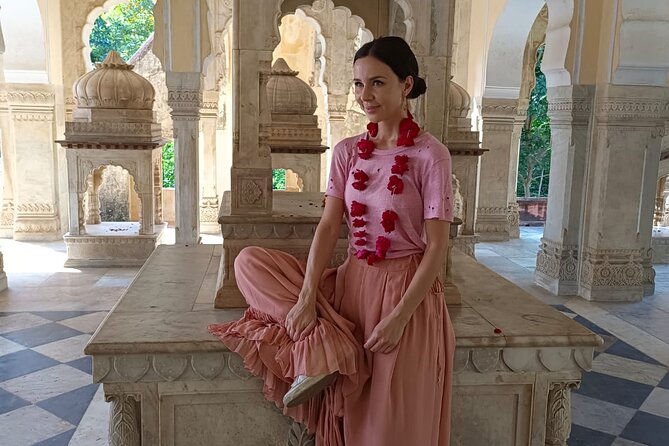
The tour then visits Royal Gaitor on the Nahargarh foothills. This is a restful stop, and it matters that it’s centered on cenotaphs, not just royal buildings for living.
You’ll see the magnificent cenotaph of Maharaja Pratap Singh, along with memorials for Madho Singh II and Jai Singh II. The descriptions focus on intricately carved stone monuments, which is a nice switch from the more famous palace façades.
One detail that really helps you understand why this is worth your time: Jai Singh II has the most impressive marble cenotaph, with a dome supported by 20 carved pillars. When you know what to look for, the stop becomes more than a quick photo.
This is also a good chance to step away from the busiest sights and just absorb craftsmanship. If you like architecture that tells a story, you’ll likely find yourself spending extra time here.
Hawa Mahal again, but in the context of your full route
Hawa Mahal, or Wind Palace, is a five-story building dedicated to Lord Krishna. The tour gives you time for the famous silhouette and explains the structural oddity: it’s built without a foundation, with curved architecture leaning at an 87-degree angle, and it stayed erect for centuries.
This is the kind of building where learning one structural fact changes your entire view. You stop seeing it as only a pretty façade and start seeing it as engineering plus symbolism.
One interesting way this tour uses Hawa Mahal: you get a photo opportunity early, then you revisit it as part of the main city-sight route. That means the building can anchor the entire day. After you’ve seen forts, temples, and stepwell engineering, Hawa Mahal reads differently.
In practice, plan for sun. Even if the exterior is the main focus, you’ll be standing in open areas depending on where you pause.
City Palace and the living palace complex
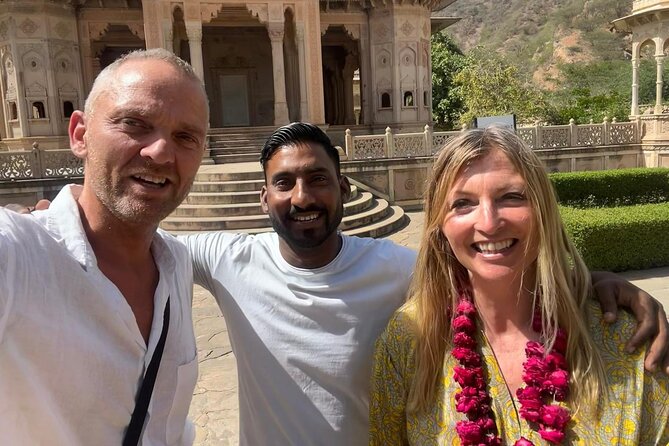
Next is the City Palace Complex, conceived and built by Maharaja Sawai Jai Singh II, the founder of Jaipur. This stop is a major one, and it’s not only about a single building.
The palace complex is described as a fusion of Mughal and Rajput architecture, and it’s still home to the last ruling royal family, though in a private section. That detail is important because it keeps the place from feeling like a museum shell.
You’ll likely get a stronger sense of how Jaipur’s ruling power shaped everyday urban design. City Palaces aren’t just impressive walls. They also represent how authority organized space.
Because entrance fees are not included, you’ll want to budget for the main monument access when you arrive. If you’re camera-inclined, remember camera fees at monuments are also not included.
Jantar Mantar: science as city design
Jantar Mantar is an early 18th-century astronomical observation site. It includes about 20 main fixed instruments, which is why this stop works better than a generic landmark visit.
Instead of treating it like a pretty yard of old stones, you can learn to read it as an instrument set. Jaipur’s rulers weren’t only building for spectacle. They were building to measure time, track the sky, and show scientific credibility as part of governance.
If you enjoy explanations, ask your local guide questions while you’re standing there. With a guide, this stops being a walk-through and becomes something you understand.
This is also a good time to slow down, because you’ll likely want to look closely at the shapes and how they connect to astronomy.
Isarlat or Sargasuli Tower: panoramic views with historical context
Another standout for views is Isarlat, also called Sargasuli Tower. It’s a seven-storied heritage monument built by Sawai Ishwari Singh in 1749.
The key promise here is panoramic city views from atop the minaret. That means you’re not only looking at Jaipur from street level. You’re seeing the city layout, the ridge lines, and the way forts and neighborhoods sit within the broader urban shape.
Views like this also make the earlier stops click. From above, Hawa Mahal, City Palace areas, and the surrounding geography make more sense.
If stairs or climb feel like a problem for you, it’s worth planning based on your comfort level. The tour data doesn’t spell out difficulty, so go in expecting some steps.
Albert Hall Museum: a major stop outside the city wall
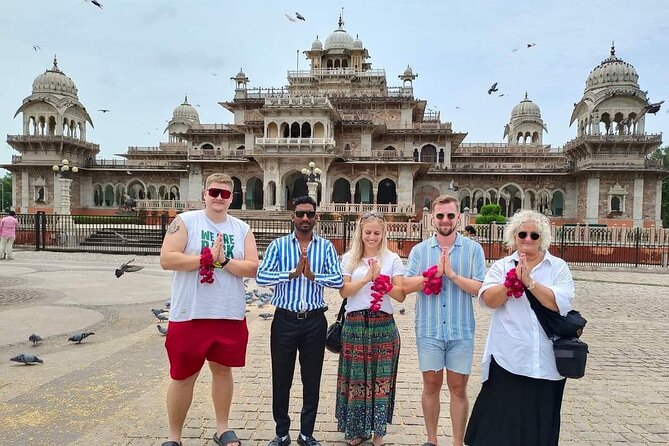
Albert Hall Museum is included and described as the oldest museum of Rajasthan, functioning as the state museum of Rajasthan, India. It’s located in Ram Niwas’s garden outside the city wall, opposite New Gate.
Architecturally, the building is Indo-Saracenic, and that mix usually means you’ll see multiple design languages in one structure. Even if you only do a partial museum visit, the location and building style can be memorable.
This stop can balance the day if you’ve been mostly focused on open-air monuments and hills. A museum gives you a different pace and often more shade.
Galta Ji Temple: springs, kunds, and hilltop payoff
The full route includes Galta Ji Temple, about 10 kilometers from Jaipur. It’s described as an ancient Hindu pilgrimage site with temples built into crevices of hills around the city.
Natural spring water flows down and fills sacred kunds, where pilgrims bathe. That means the area isn’t only “look at the temple.” It’s also connected to ongoing ritual water use, so the atmosphere tends to feel more active and devotional than purely tourist-facing.
The route also mentions you can ascend further to reach a hilltop temple with views across the valley floor, including Jaipur’s fortifications. That hilltop angle is often the reason people like this stop, because it turns your sightseeing into a real geographic understanding.
Like Amer, you may be dealing with stairs and climbing. The data doesn’t specify how far you go, but since it mentions ascending further, plan for a climb.
Markets add-on: shopping for fabrics, sandals, and bags
If you want more than monuments, you can request time for Jaipur’s famous markets after sightseeing. The tour mentions shopping for items like fabrics, sandals, and bags with low prices and fantastic quality.
This part is flexible. It’s also the best time to use what you’ve learned in the market walk earlier. You’ll understand how local selling works, so negotiating becomes less of a mystery.
Practical approach: set a budget before you arrive and decide what you’re shopping for. Jaipur markets can tempt you with a lot of tempting offers, and a planned target keeps you happy.
Price and time: what $13.59 covers, and what to budget next
The price is listed as $13.59 per group, up to 3 people, for about 9 to 10 hours. It’s private transportation with fuel, parking, and taxes included, plus a local tour guide and pickup and drop-off.
Here’s where value really comes into focus. If you split the group price across 2 or 3 people, the cost per person for a full-day private AC car plus a guide is very competitive. Even if it’s just one person, you still get the big items included: transport, bottled water, and the morning chai and snack.
However, the monument entrance fees are not included, listed as a combined entry fee of $30.00 per person for Jaipur’s popular tourist monuments. Camera fees at the monuments and tips are also not included.
So the best way to think about it is this: you’re paying for convenience and guidance in a private format, then you add the sites you want access to through the entrance ticket bundle. If you’re budgeting tightly, count the $30 per person early so there are no surprises later.
Who this Jaipur flower market tour is best for
This is a strong pick if you want a structured day with minimal planning. You get pickup, AC transport, a local guide, and a route that mixes iconic Jaipur sights with a couple of less obvious stops like Panna Meena Ka Kund and Royal Gaitor.
It’s also a good match if you prefer smaller group dynamics. With private booking for your group, it tends to feel less chaotic than big tour buses.
On the other hand, if you want lots of free time to wander without a schedule, this might feel packed. The itinerary includes many major stops in one day, so you’ll be on the move.
Should you book this Jaipur city tour with a flower market visit?
Book it if you want the full Jaipur “great hits” day, plus an actual morning local market experience that starts the day with something sensory and different. I’d also book it if you appreciate guidance that can connect monuments to meaning, not just locations.
Skip or adjust expectations if you hate entrance fee add-ons. Because $30 per person is not included, your total cost will rise once you’re at the monuments, and camera fees may add more.
If your top priority is getting from sight to sight comfortably with pickup and drop-off, and you want to trade planning headaches for a driver and guide, this tour fits the bill. It’s the kind of day that helps you see Jaipur in one sweep, while still giving you at least two chances to experience the city beyond the big postcard viewpoints.
FAQ
What time slot should I choose to visit the flower market?
The flower market visit is included if you select the 7:00 AM to 8:00 time slot.
How long is the Jaipur city tour?
The duration is about 9 to 10 hours.
Does the tour include pickup and drop-off?
Yes. Hotel pickup and drop-off are included.
Is this tour private?
Yes. It’s private for your group, with only your group participating.
What’s included in the price?
The tour includes bottled water, hotel/airport/railway station pickup and drop-off, private transportation, fuel, parking charges and other taxes, a local tour guide, and complementary tea/coffee/lassi with snacks (samosa or kachori).
Are entrance fees included for monuments?
No. Entrance fees for Jaipur’s popular tourist monuments are listed as $30.00 per person and are not included.
Are camera fees included?
No. Camera fees at the monuments are not included.
Is bottled water provided?
Yes, bottled water is included.
Does the tour require good weather?
Yes. The experience requires good weather, and if it’s canceled due to poor weather, you’ll be offered a different date or a full refund.
What is the cancellation policy?
Cancellation is free. You can cancel up to 24 hours in advance for a full refund. If you cancel less than 24 hours before, the amount paid is not refunded.
More Full Days Across Jaipur
- Jaipur: Full-Day City Tour with Car, Guide & Skip-the-Line
★ 4.8 · 512 reviews - Pink City Cooking Class
★ 5.0 · 452 reviews - Private Jaipur Full One Day Tour In Pink City With Guide
★ 5.0 · 322 reviews - Jaipur: Private Full-Day Guided City Tour
★ 4.9 · 308 reviews - Jaipur Guided City Tour: City Palace, Jantar, Hawa & Jal Mahal
★ 5.0 · 186 reviews - Jaipur: Private Full Day Jaipur City Tour with Pick-Up & Drop.
★ 5.0 · 183 reviews
More Tours in Jaipur
- Jaipur: Private Full Day Sightseeing Tour By Car with Guide
★ 4.9 · 1,839 reviews - 3-Hour Morning Bike Tour of Jaipur
★ 5.0 · 1,253 reviews - Jaipur: Private Sightseeing Day Tour with Guide by Car
★ 4.8 · 773 reviews - Jaipur: Full-Day City Tour with Car, Guide & Skip-the-Line
★ 4.8 · 512 reviews - Full-Day Jaipur Private Sightseeing Tour by Car with Guide
★ 5.0 · 472 reviews - Private Full Day Jaipur Sightseeing Tour By Tuk Tuk
★ 5.0 · 382 reviews
More Tour Reviews in Jaipur
- Jaipur: Private Full Day Sightseeing Tour By Car with Guide
★ 4.9 · 1,839 reviews - 3-Hour Morning Bike Tour of Jaipur
★ 5.0 · 1,253 reviews - Jaipur: Private Sightseeing Day Tour with Guide by Car
★ 4.8 · 773 reviews - Jaipur: Full-Day City Tour with Car, Guide & Skip-the-Line
★ 4.8 · 512 reviews - Full-Day Jaipur Private Sightseeing Tour by Car with Guide
★ 5.0 · 472 reviews - Pink City Cooking Class
★ 5.0 · 452 reviews
Fresh on the site: newer Jaipur tours we have written up




Shopping Tours, compared.
 ★ 5.0Jaipur Bazaar & Food Walking TourFrom $37281 reviews
 ★ 5.0Full Day Old City Private Tour with Local Market visit in JaipurFrom $55151 reviews
 ★ 5.0Private Shopping Tour in JaipurFrom $16135 reviews
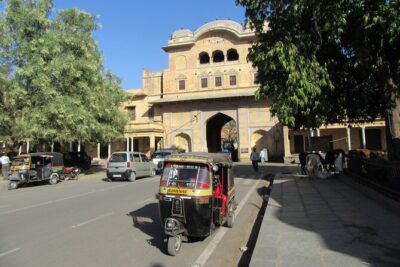 ★ 5.0Jaipur Tuk-Tuk Tour with Flower Market VisitFrom $6124 reviews
 ★ 5.0Jaipur Tour by Tuk-Tuk or Car with Flower MarketFrom $6120 reviews
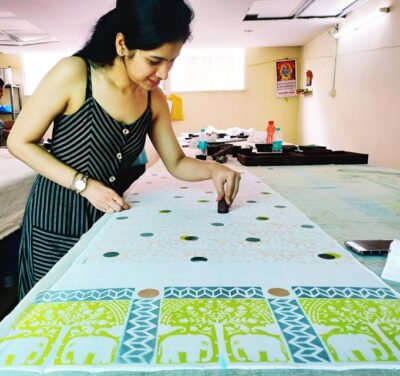 ★ 4.9Half-Day Guided Sightseeing Tour with Flower MarketFrom $4119 reviews
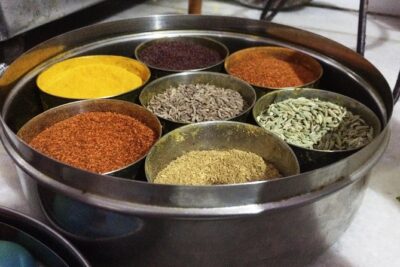 ★ 5.0Jaipur Market Tour & Vegetarian Rajasthani Home Cooking ClassFrom $60113 reviews
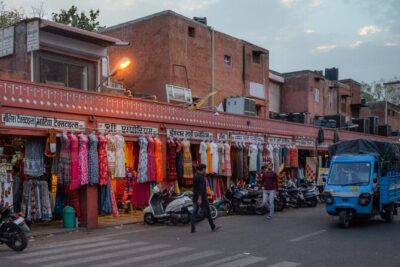 ★ 5.0Private: Jaipur Shopping Tour By Tuk TukFrom $1367 reviews
Browse the lists this tour appears in