
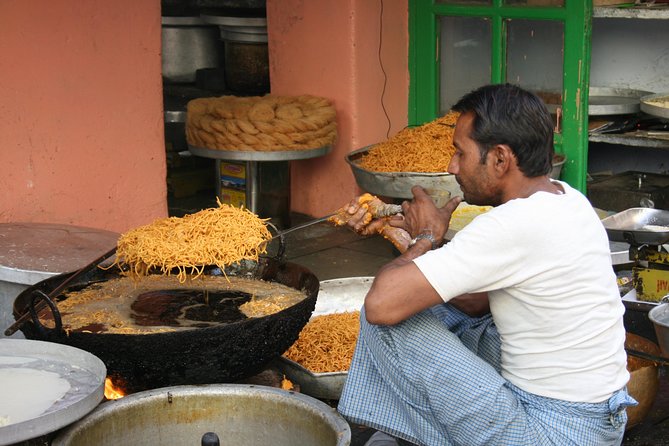
REVIEW · PINK CITY TOURS
Cyclin’Jaipur – Pink City Heritage walking Tour
Jaipur clicks into place faster when you walk it. On Cyclin’Jaipur’s Pink City Heritage tour, you start at Hawa Mahal, then move through the Old City with a local guide who knows where tourists usually miss and where locals actually go. In the feedback I read, guides like Virendra and Raju were praised for clear explanations and keeping the group moving smoothly through tight streets.
I especially like how this tour pairs big sights with day-to-day life. You get the City Palace complex, a Hindu prayer ceremony at a temple, and then you’re in the thick of the vegetable and flower markets. One thing to consider: it’s a half-day walking route, and you’ll need moderate fitness and proper attire (no short pants or sleeveless tops).
Key things you’ll notice on this Pink City Heritage walk
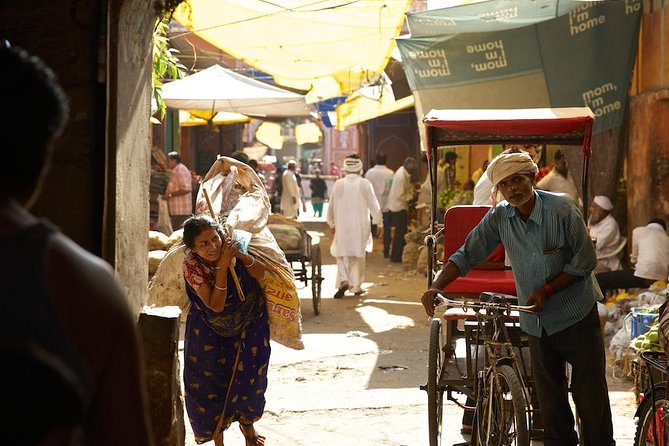
- Hawa Mahal meet-up as your launch point, so you get context before you wander
- City Palace complex visit that connects palace life to how Jaipur works today
- Temple prayer ceremony viewing that shows real religious rhythm, not a staged performance
- Vegetable wholesale market stop for sights, smells, and local trade you can’t fake
- Flower market + artisans area with craft details like marble carving and jewelry making
- Small group size (max 8), which makes questions easier and the pace more human
Keep walking: other routes through the bazaars
- Jaipur Bazaar & Food Walking Tour★ 5.0 · 281 reviews
- Heritage Walk & Street Food Tasting in Jaipur★ 5.0 · 158 reviews
- Magical Walk of Jaipur★ 5.0 · 121 reviews
- Cultural Walk and Food Tasting In Jaipur★ 5.0 · 118 reviews
Entering Jaipur’s Old City at Hawa Mahal
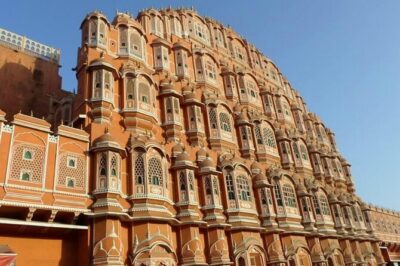
Most Jaipur tours start with a photo. This one starts with orientation, at Hawa Mahal. That matters, because once you understand what you’re looking at, the Pink City streets make sense much sooner.
When you meet your local guide, you’re not just handed a checklist. You’re told how to read the city as you go, including what to expect in the markets and why certain neighborhoods feel different from block to block. If you’ve ever wandered Jaipur alone, you know how fast the Old City can go from charming to confusing. A good guide gives you that mental map early.
Timing is flexible, too. You can choose a morning or afternoon departure, which is a big deal in Jaipur, where the light and foot traffic change a lot across the day. Just pick the option that matches your energy, because you’ll still be on your feet for around 3 hours.
And yes, you’ll be walking in real streets, not a curated promenade. That’s part of the point.
City Palace Complex: more than royal photos
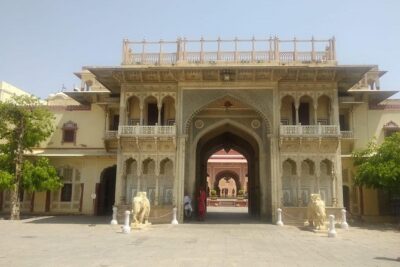
After Hawa Mahal, you enter the City Palace complex and connect it to Jaipur’s royal heritage. Even if you’re not a museum person, the value here is how the palace area helps explain why the city grew where it did and how authority shaped daily life.
This stop is also practical. It’s a structured chunk of the tour early on, which is useful if you’re trying to see the major highlights without spending your whole day fighting tickets, lines, and direction changes. You’ll walk through enough to get the story, then the tour moves you out into streets that feel like living neighborhoods.
A key benefit is flow. Instead of bouncing randomly between landmarks, the tour builds momentum: palace context first, then you head toward the religious and market heart of the city. That structure keeps you from feeling like you’re just hopping from one site to another.
Temple stop and a Hindu prayer ceremony you can observe
One of the most memorable parts is the visit to a major temple and the chance to witness a Hindu prayer ceremony. This is the kind of moment that changes your understanding of a destination. It’s not only about architecture. It’s about timing, daily devotion, and how people use sacred spaces.
You’re not being taught how to perform religion. You’re being shown what you’re looking at, and that’s what helps you stay respectful. Your guide’s role is to translate the meaning behind what’s happening, so you’re not just watching from the outside.
A drawback to note: if you’re uncomfortable with crowds, noise, or getting close to ceremony spaces, this stop may feel intense. It’s still a short portion of the walk, but it’s real life, not a quiet viewpoint.
If you want Jaipur to feel alive, though, this is where it does.
Vegetable wholesale market: where local life shows up first
Next comes one of the tour’s most practical, eye-opening stops: the biggest vegetable wholesale market of Jaipur. Wholesale markets are fascinating because you see the supply chain in motion. People are buying, selling, carrying, weighing, and negotiating, all right in front of you.
This is also one of the stops where your senses kick in. The colors are obvious, but the texture of the place matters too: the tight pathways, the energy of work, and the way the market shapes what’s nearby. If you like photography, this is where you’ll get more than pretty building shots. You’ll get people in their element.
Expect a lively atmosphere. If you’re hoping for a calm walk with minimal sensory overload, the markets may be your biggest reality check. But if you’re here to understand Jaipur as a working city, this stop is a strong reason to book.
Other full days across Jaipur
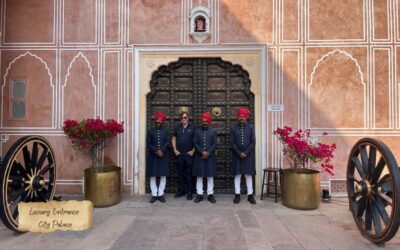
Flower market stop for the color and the farmers behind it
On the way, you also stop at the flower market. This part feels lighter than the vegetable market, but it still connects to the same theme: local trade and everyday livelihood.
What I like about including the flower market is that it gives you a second angle on commerce in Jaipur. Vegetables show food and supply. Flowers show ceremony, decoration, and seasonal agriculture. Together, they make the city’s relationships with farming and ritual easier to understand.
And because it’s placed right after the wholesale market, you get a natural change of pace. Your eyes get a new kind of color, and your camera roll gets a well-earned reset.
Marble carver’s district and artisans: craft work you can picture
As the tour moves toward the artisans side, you visit the marble carver’s district and meet local craftspeople. This is where the tour earns extra points for going beyond sightseeing and into making.
You’ll learn from sculptors and see traditional methods. The tour also connects this work to other crafts you might spot across Jaipur, including silversmiths, bangle makers, and metal workers. Even if you don’t buy anything, you’ll come away with more respect for the skill and time behind small everyday objects.
In the feedback I read, guides were especially good at explaining how craftsmen work, not just what products look like. That explanation is the difference between shopping as a tourist and appreciating craft as a cultural practice.
One consideration: this is still a market-and-craft area, so you might notice sales pressure. Your best move is to look first, ask questions second, and decide on purchases only if something truly fits your taste.
What’s included, and why it matters in real life
Cyclin’Jaipur includes bottled water, snacks, and coffee and/or tea, plus a red card guide. Food and drink are not just perks here. They help you keep energy up during a short walking tour where you don’t want to spend your whole afternoon tracking down water bottles and snacks.
Those small inclusions make a difference at this price point. At $18.50 per person for about 3 hours, you’re paying for guide-led access to major areas and time with local explanations, plus the basics that keep you comfortable.
Also, the tour supports small-group travel, with a maximum of 8 travelers. When groups stay small, you spend less time herding and more time learning. You’re also more likely to get your questions answered, which makes the market stops far more enjoyable.
Price and value: why $18.50 can feel fair
It’s tempting to compare tours only by price. I think you should compare by what you’re buying with your time.
For this walk, you’re paying for:
- Guided access from a major landmark (Hawa Mahal) into key Old City areas
- Stops tied to daily life (markets) and meaningful context (temple ceremony and palace area)
- Small comforts, water, snacks, and tea/coffee
- A local guide who helps you navigate without wasting energy
If you tried to build this route yourself, you’d still need guidance to find the best order and understand what you’re seeing at the right moment. Self-guided routes tend to cost time, not just money, and Jaipur is one of those places where time is easy to lose.
That’s why this price can feel reasonable. It’s not a luxury experience, but it’s a solid value if you want a better first impression of Jaipur’s Old City.
Pace, fitness, and what to wear in the Pink City
This is a moderate physical fitness type of walk. You’re covering a lot in about 3 hours, and the streets around the major sights and markets can be uneven and crowded.
You’ll also want to respect the dress expectations: no short pants or sleeveless attire. That’s important for temple-related parts of the route. When you dress appropriately from the start, you avoid awkward last-minute fixes and you keep the tour flowing.
If you’re traveling with a sensitive stomach, bring your own patience. Market areas can be intense, and even with snacks provided, you may still want to be mindful about what you eat nearby. The tour includes snacks, but it doesn’t claim to manage every food situation outside the program.
The upside is that the tour gives you a structured way to handle the Old City. You’re not stuck deciding where to go while everyone else moves past you.
Group size and guide style: the difference between seeing and understanding
A maximum group of 8 keeps the experience manageable. You’re less likely to get separated, and it’s easier for the guide to adjust pace based on questions.
The names that show up in the best feedback matter because they signal guide quality. Guides like Viru (Virendra) and Raju were praised for making sure people saw must-visit spots they might miss on their own. Others, like Sid and Parveen, were noted for professionalism and being attentive to the group.
Even if your guide is different, the key point is that this is not sold as a casual stroll. It’s guided interpretation. That means you’ll get more than images from the day. You’ll come away with a sense of how Jaipur works, where people spend time, and what traditions look like in real life.
Practical setup: mobile ticket and no hotel pickup
You’ll use a mobile ticket, which is convenient. You should plan to arrive at the start point on time, because this tour does not include hotel pickup and drop-off unless you select that option.
The meeting point is effectively the Hawa Mahal area. When tours use a landmark like that, it’s usually easier for you to locate than a hidden street address. Still, in Jaipur, give yourself buffer time for traffic and walking to the exact meeting spot.
If you’re staying far away, build in extra margin. The tour is only about 3 hours, so arriving late usually cuts into the experience rather than extending it.
Who should book this walking tour, and who might skip it
This tour is a great fit if:
- You’re a first-time visitor who wants the Pink City basics plus daily life
- You enjoy markets and want context, not random wandering
- You prefer a small-group guide-led format with stops that make sense in sequence
- You’re okay with a walking day that’s short but active
You might skip it if:
- You want a mostly indoor, low-activity sightseeing plan
- You hate crowds or sensory-heavy market areas
- You struggle with walking for around 3 hours at a moderate pace
It’s also a good option for returning visitors who feel like they know the obvious sights already. Markets, artisans, and temple ceremony viewing can refresh your sense of place quickly.
Should you book Cyclin’Jaipur’s Pink City Heritage walking tour?
If your goal is to understand Jaipur beyond postcards, I’d say book this. The mix of Hawa Mahal context, City Palace, a temple prayer ceremony, and then the market circuit is a smart way to spend a half-day.
At $18.50 with water, snacks, and tea/coffee, it also reads as good value for a guided route that helps you move confidently through the Old City. The only real reason not to book is if you don’t want to walk a moderately active route or you’re not comfortable with the reality of markets and ceremonies.
If you do book, wear the right clothes from the start, bring comfortable shoes, and go in with the mindset of learning how Jaipur functions. That’s when this tour becomes more than a highlight reel.
Keep Walking Through Jaipur
- Jaipur Bazaar & Food Walking Tour
★ 5.0 · 281 reviews - Heritage Walk & Street Food Tasting in Jaipur
★ 5.0 · 158 reviews - Magical Walk of Jaipur
★ 5.0 · 121 reviews - Cultural Walk and Food Tasting In Jaipur
★ 5.0 · 118 reviews - Jaipur Heritage Walk with Rickshaw Ride
★ 5.0 · 105 reviews - Jaipur Heritage Evening Walk – The Twilight Magic of Pink City
★ 5.0 · 93 reviews
More Tours in Jaipur
- Jaipur: Private Full Day Sightseeing Tour By Car with Guide
★ 4.9 · 1,839 reviews - 3-Hour Morning Bike Tour of Jaipur
★ 5.0 · 1,253 reviews - Jaipur: Private Sightseeing Day Tour with Guide by Car
★ 4.8 · 773 reviews - Jaipur: Full-Day City Tour with Car, Guide & Skip-the-Line
★ 4.8 · 512 reviews - Full-Day Jaipur Private Sightseeing Tour by Car with Guide
★ 5.0 · 472 reviews - Private Full Day Jaipur Sightseeing Tour By Tuk Tuk
★ 5.0 · 382 reviews
More Tour Reviews in Jaipur
- Jaipur: Private Full Day Sightseeing Tour By Car with Guide
★ 4.9 · 1,839 reviews - 3-Hour Morning Bike Tour of Jaipur
★ 5.0 · 1,253 reviews - Jaipur: Private Sightseeing Day Tour with Guide by Car
★ 4.8 · 773 reviews - Jaipur: Full-Day City Tour with Car, Guide & Skip-the-Line
★ 4.8 · 512 reviews - Full-Day Jaipur Private Sightseeing Tour by Car with Guide
★ 5.0 · 472 reviews - Pink City Cooking Class
★ 5.0 · 452 reviews
Fresh on the site: newer Jaipur tours we have written up




Pink City Tours, compared.
 ★ 5.0Pink City Cooking ClassFrom $27452 reviews
 ★ 5.0Private Jaipur Full One Day Tour In Pink City With GuideFrom $16322 reviews
 ★ 5.0Full Day Old City Private Tour with Local Market visit in JaipurFrom $55151 reviews
 ★ 5.0Private Jaipur Pink City Tour by Car & Driver with a Tour GuideFrom $17104 reviews
 ★ 5.0Jaipur Heritage Evening Walk – The Twilight Magic of Pink CityFrom $3593 reviews
 ★ 5.0Jaipur Pink City Cooking ClassFrom $2073 reviews
 ★ 5.0Pink City Private 2 day TukTuk Tour with Free Pickup.From $1748 reviews
 ★ 5.03-Hour Morning Bike Tour of Jaipur Old CityFrom $2845 reviews
Browse the lists this tour appears in