REVIEW · SHOPPING TOURS
Jaipur Heritage and Old Market Shopping Tour
Jaipur runs on markets and small workshops. This 5-hour tour strings together historic landmarks with shopping streets and short craft demos. You get a tight loop through Chandpole and Johari areas, plus signature stops like Hawa Mahal and blue pottery.
I like that you spend real time in the lanes where people actually shop for textiles, jewelry, and handicrafts, not just one photo stop. I also like the craft demos, especially the hands-on-style watching for block printing and blue pottery, which makes shopping feel more informed.
One consideration: monuments like Isarlat Tower and the Albert Hall Museum have entry fees that are not included, so you may need to pay extra if you want to go inside.
Key points before you go

- Hotel pickup and drop-off with a private vehicle, plus bottled water
- Chandpole Bazaar and the surrounding craft streets for textiles, jewelry, brassware, and marble decor
- Women-led craft focus, with short demos in block printing, blue pottery, and jewelry making
- Hawa Mahal stop with free admission listed for the experience
- Isarlat Tower and Albert Hall Museum are shown as optional paid entries
- A guide like Rauf Khan who tends to tailor the shopping feel and keep you moving safely
More of the 1727 grid, read out loud
- Heritage Walk & Street Food Tasting in Jaipur★ 5.0 · 158 reviews
- Private Full-Day Sightseeing Tour of Jaipur’s Heritage by Car★ 5.0 · 110 reviews
- Jaipur Heritage Walk with Rickshaw Ride★ 5.0 · 105 reviews
- Jaipur Heritage Evening Walk – The Twilight Magic of Pink City★ 5.0 · 93 reviews
Jaipur in 5 Hours, Markets Plus Landmarks That Actually Matter

This tour works because it respects how Jaipur is built. You’re not just ticking off monuments, you’re moving through the market geography that shaped everyday life in the Pink City. The pacing is structured, with about 30 minutes at each main stop, so you get variety without feeling stuck in one crowd for hours.
I like that the tour also acknowledges shopping as part of the culture. Chandpole and Johari areas are where you’ll see handmade categories side by side, and you can spot what you want before you commit money.
The other win is that you get context. Watching short demos at a blue pottery studio and a textile workshop helps you understand what you’re buying, even if you end up doing only a little shopping.
Price and Value: What $16 Buys in Jaipur

At about $16 for roughly 5 hours, the value comes from the combination: hotel pickup, private transport, a local guide, and several curated market stops. For Jaipur, that’s the difference between trying to navigate on your own and having someone route you through the right streets efficiently.
You also get bottled water and time at multiple categories, which matters if you’re shopping with a plan. If you only wanted one or two markets, you could do it cheaper alone. But if you want a full craft-and-market day, this is one of the more efficient ways to pack it in.
Do note what is not included: food and drinks are on you, and some monument entries are extra. So if you plan to enter Isarlat Tower or Albert Hall Museum, factor in those costs when you decide.
Getting Around: Pickup, Private Vehicle, and Outside Views

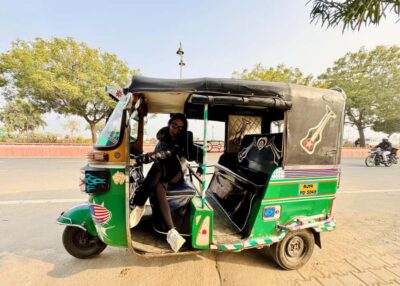
You start with pickup and end with drop-off at your hotel. That’s not a small detail in Jaipur, because market areas can be slow and parking can be tricky. Having a private car keeps the day smoother, especially if you’re also visiting places like Hawa Mahal where foot traffic can get intense.
The tour includes a friendly local expert driver and a mobile ticket. Another practical point: monuments are described as being viewed from the outside, so expect a mix of quick landmark time plus optional paid entries at certain stops rather than long museum-style wandering.
If you’re hoping for a fully guided walk inside every building, this may not be that format. Still, you’ll have plenty of time in the markets and at the craft workshops, which is where the “experience” portion really lands.
Chandpole Bazaar: Textiles, Jewelry, and Brassware in the First 30 Minutes

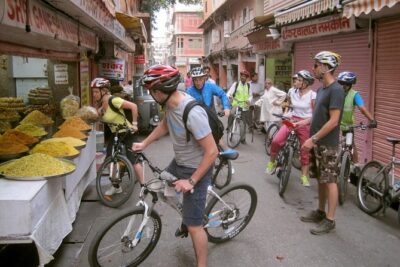
Chandpole Bazaar is a strong opener because it immediately sets the tone. You’ll see traditional Rajasthani goods across categories like textiles, jewelry, brassware, and pottery. The pace here is visual, you walk, glance, and quickly get a sense of what each shop specializes in.
This is a good place to sharpen your shopping goals. Are you hunting for bandhni and block-printed fabrics? Silver-style ornaments? Small decor items? Chandpole helps you answer those questions early, so later stops feel more targeted.
One practical tip: give yourself mental permission to browse before you buy. With multiple market lanes coming next, you’ll often see similar materials at different price points.
More bazaars, more block-print, more bargaining
Khazane Walon ka Rasta: Marble Decor Lane for Statement Pieces

Right after Chandpole, you hit Khazane Walon ka Rasta, known for intricate marble sculptures and marble decor items. This is where Jaipur can feel more like craft sculpture than souvenirs. You’ll see designs in different sizes, which is useful if you’re buying something for home that has weight and presence.
If you like desk-scale art, this area tends to offer options. If you want something flat and easy to pack, you’ll likely need to be selective, because marble decor is not the lightest purchase.
Also, because the time here is about 30 minutes, you’ll want to move with purpose. If you spot something you love, ask about size and packing considerations before the price discussion goes too far.
Maniharo Ka Rasta: Bangles and Silver Ornaments in the Jewelry Streets

Next comes Maniharo Ka Rasta, famous for jewelry shops, especially traditional Rajasthani bangles and silver ornaments. This stop is a natural companion to the previous marble lane. One is sculptural decor, the other is wearable art.
If you’re shopping for gifts, this is where you’ll start comparing styles. Think in terms of sets, not single items: bangles in a similar pattern family, or ornaments that match the vibe of what you already have.
The best part is that you’re not forced to buy right away. You’ll have another market stop later, plus craft demo time. So if you’re still deciding between metals, stones, and patterns, you can keep your options open.
Isarlat (Tower): A Victory Memorial and a Photo Stop Worth Paying For

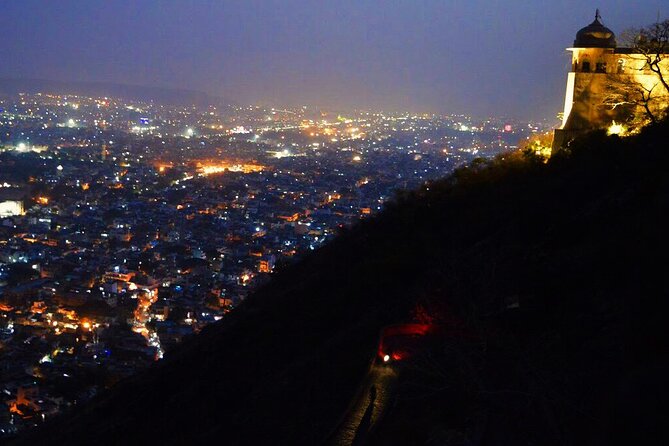
Isarlat Tower is an 18th-century victory memorial built by Maharaja Jai Singh II, and it’s one of those stops that earns attention fast. The reason is the panoramic views and the photography potential, plus the calm break from shopping lanes.
The important detail: admission for this stop is not included. So you have a simple choice: enjoy it as a landmark stop, or pay to experience the tower and views.
If you’re the type who likes citywide sightlines, I’d lean toward paying. If you’re already tired of entrances and extra costs, you can still enjoy the moment from outside and save energy for the next markets and craft demos.
Tripolia Bazaar: Royal Mausoleum Architecture Near the Tripolia Gate

Tripolia Bazaar centers on a mausoleum linked with Jaipur’s royal family, located near Tripolia Gate. You’ll spend about 30 minutes here, focusing on the structure and its intricate carving.
This stop is valuable because it adds a different kind of “Jaipur skill” to the day. Markets show craftsmanship in textiles and metalwork, while this mausoleum stop highlights carving and architectural detail.
If your legs are feeling the market-walking burn, this is a good moment to slow down. Architectural stops naturally pace you, and the time is long enough to actually notice details.
Albert Hall Museum: Indo-Saracenic Facade and an Optional Entry
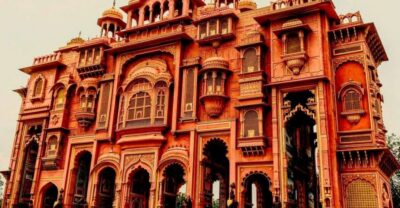
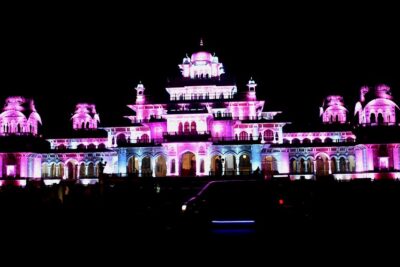
Albert Hall Museum is described as Indo-Saracenic in style and was originally designed as a concert hall, built in 1876. Today it’s known for collections that include art, artifacts, sculptures, textiles, and coins.
Admission is not included for this stop, so you’ll likely treat it as an outside viewing moment unless you decide to pay. Even if you skip entry, the building itself is worth attention because it signals the shift in Jaipur’s modern cultural institutions.
If you do enter, plan to keep it efficient. You only have about 30 minutes on the schedule, so pick a few sections you care about most, like textiles or coins, rather than trying to see everything.
Johari Bazaar and Hawa Mahal: Shopping Energy Meets 953 Windows
After the royal mausoleum stop, the day turns back toward shopping with Johari Bazaar. This market is known for Rajasthani handicrafts, including textiles, jewelry, pottery, spices, and leather goods. You’ll also see bright fabrics, bandhni, block prints, and silver jewelry, which overlaps nicely with what you saw earlier, but in a different lane style.
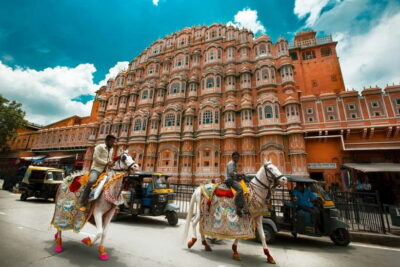
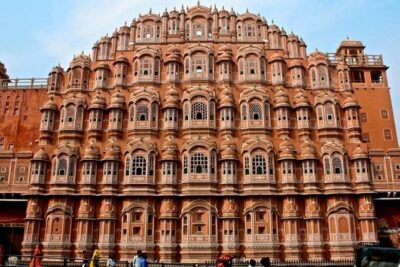
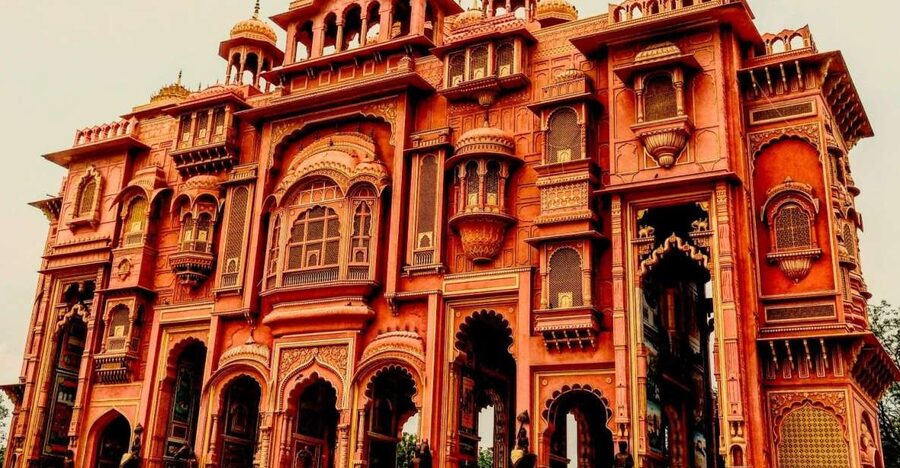
Next is Hawa Mahal, the Palace of Winds, famous for its honeycomb-like structure with 953 small windows. It was built in 1799 by Maharaja Sawai Pratap Singh, and the windows are part of the story because they allowed royal women to view street life discreetly.
Hawa Mahal is listed with free admission, so it’s one of the easiest “do not miss” stops on the itinerary. If you’re thinking about photos, go in with a clear plan: shoot both from the street perspective and from within areas that let you see the window rhythm.
One more consideration: Hawa Mahal and the nearby area can be crowded at peak times. Your guide’s job here is keeping you moving smoothly, and a good guide matters.
Jaipur Blue Pottery Art Centre: Watching the Pattern Logic in 10 to 15 Minutes
The tour ends up in a quieter craft space at the Jaipur Blue Pottery Art Centre. You’ll get a 10 to 15 minute demo focused on Jaipur blue pottery, including the vibrant blue hues and the patterns that artisans create.
This demo is valuable even if you’re not a pottery buyer. It helps you see how design is built, what repetition looks like, and what makes one piece feel more carefully finished than another.
Since the demo time is short, pay attention to the steps that repeat, especially the way designs are layered or transferred. That’s the kind of knowledge that makes later shopping less random.
Satguru’s The Textile World: Block Printing, Carpets, Rugs, and Women’s Work
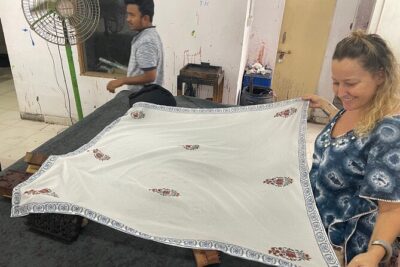
Satguru’s the Textile World adds a deeper craft element. You visit a textile factory where women and artisans craft carpets and rugs. Then you’ll experience traditional block printing, watching patterns being made by hand on fabric.
The biggest value here is seeing labor and technique tied together. Markets can show you finished products, but factories show you process. When you understand how patterns are applied and repeated, it’s easier to judge quality later.
This stop is also where the tour’s empowerment angle becomes practical, not just marketing. The experience is described as centering women’s craftsmanship, and you can see that directly in the workshop setting.
If you want to shop for textiles today, this is the moment to slow down. You’ll be able to match what you saw in the demo to what you liked in the market earlier, and you’ll know what questions to ask.
Shopping Smart Without Losing Your Day
This tour is built for people who want to shop, but you’ll still get more out of it if you shop with structure.
Here’s how I’d approach it:
- Decide on one or two categories before you start, like bangles, block-printed fabric, or small marble decor.
- Keep an eye on how quickly you’re getting drawn in. If you’re impulse-shopping every few minutes, you might end up buying one expensive item instead of several smaller gifts.
- Ask about practical details before purchase, like size and how easily it will pack. (This matters especially for marble decor and anything fragile.)
- Treat the craft demos as your quality filter, not just entertainment. If the demo craft style matches what you like in the market, you’re more likely to feel good about the buy.
Also, remember that food and drinks are not included. Markets can make you hungry fast, so plan to grab a meal around your own schedule, not in the tour gaps where you might feel rushed.
The Human Factor: Why the Guide Makes This Tour Feel Safe
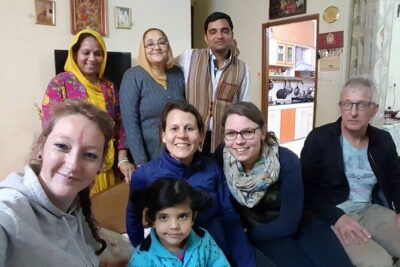
A big theme in the feedback about this tour is the guide experience, especially with Rauf Khan. People describe him as helpful, accommodating, and able to tailor the route toward a more local feel rather than only steering toward tourist-focused shops.
That matters more than you might think in Jaipur markets. A guide can help you feel confident about where you are, how you’re spending time, and what you’re actually seeing. And if you’re someone who gets overwhelmed by shopping streets, the right guide keeps the day calm.
You’ll also likely get practical restaurant suggestions from your guide, and that is a real advantage on a day when food is not part of the package.
Who Should Book This Jaipur Heritage and Old Market Shopping Tour
Book this tour if you want a day that mixes heritage landmarks with markets and short craft demos. It suits:
- First-time visitors who want a focused loop without planning each stop
- Shoppers who care about textiles, jewelry, pottery, and craft styles
- People who like learning how products are made, not just buying souvenirs
- Travelers who prefer a private vehicle and a guide for navigation and safety
If you’re only interested in major monument interiors, or you want a long museum day, this may feel too market-and-craft oriented. Also, if spices and tea are your main shopping obsession, the schedule is spread across many crafts and landmark stops, so you may need extra time elsewhere.
Should You Book It?
Yes, if you want a smart half-day that covers Jaipur’s shopping lanes and craft culture, with a manageable schedule. The $16 price makes sense when you factor in pickup, private transport, bottled water, and multiple stops across markets and artisan workshops.
I’d especially recommend it if you’re buying textiles, jewelry, or pottery, because the demos help you shop with your eyes open. If you’re sensitive to optional entry costs, you’ll want to decide early whether you plan to pay for Isarlat Tower and Albert Hall Museum.
Bottom line: this is a practical “Jaipur by craft and street” day, and it’s built so you don’t lose hours figuring things out on your own.
FAQ
Is hotel pickup and drop-off included?
Yes. The tour includes pickup and drop-off services from your hotel.
How long is the Jaipur Heritage and Old Market Shopping Tour?
It runs for about 5 hours (approximately).
What is the tour price?
The price is listed as $16.
Do I need to buy a ticket for monuments?
Some entries are free and some are not included. Isarlat Tower and the Albert Hall Museum list admission as not included, while other market stops and Hawa Mahal list admission as free.
Are meals included?
No. Food and drinks are not included.
Does the tour provide transportation?
Yes. You get a private vehicle with a friendly local expert driver.
Are there craft demos during the tour?
Yes. You’ll have short demo classes, including 10 to 15 minutes for Jaipur blue pottery, plus block printing at the textile workshop. The tour overview also mentions jewelry making demos.
Is this tour private?
Yes. It’s a private tour/activity, and only your group participates.
What payment type do I use for the ticket?
The tour includes a mobile ticket. Confirmation is received at the time of booking.
More Heritage in Jaipur
- Heritage Walk & Street Food Tasting in Jaipur
★ 5.0 · 158 reviews - Private Full-Day Sightseeing Tour of Jaipur’s Heritage by Car
★ 5.0 · 110 reviews - Jaipur Heritage Walk with Rickshaw Ride
★ 5.0 · 105 reviews - Jaipur Heritage Evening Walk – The Twilight Magic of Pink City
★ 5.0 · 93 reviews - Nahargarh Water Walk – Guided 2-Hour Heritage Tour in Jaipur
★ 5.0 · 89 reviews - Jaipur Heritage Walking Tour – Local life, Havelis and Temples
★ 5.0 · 72 reviews
More Tours in Jaipur
- Jaipur: Private Full Day Sightseeing Tour By Car with Guide
★ 4.9 · 1,839 reviews - 3-Hour Morning Bike Tour of Jaipur
★ 5.0 · 1,253 reviews - Jaipur: Private Sightseeing Day Tour with Guide by Car
★ 4.8 · 773 reviews - Jaipur: Full-Day City Tour with Car, Guide & Skip-the-Line
★ 4.8 · 512 reviews - Full-Day Jaipur Private Sightseeing Tour by Car with Guide
★ 5.0 · 472 reviews - Private Full Day Jaipur Sightseeing Tour By Tuk Tuk
★ 5.0 · 382 reviews
More Tour Reviews in Jaipur
- Jaipur: Private Full Day Sightseeing Tour By Car with Guide
★ 4.9 · 1,839 reviews - 3-Hour Morning Bike Tour of Jaipur
★ 5.0 · 1,253 reviews - Jaipur: Private Sightseeing Day Tour with Guide by Car
★ 4.8 · 773 reviews - Jaipur: Full-Day City Tour with Car, Guide & Skip-the-Line
★ 4.8 · 512 reviews - Full-Day Jaipur Private Sightseeing Tour by Car with Guide
★ 5.0 · 472 reviews - Pink City Cooking Class
★ 5.0 · 452 reviews
Fresh on the site: newer Jaipur tours we have written up
Shopping Tours, compared.
★ 5.0Jaipur Bazaar & Food Walking TourFrom $37281 reviews
★ 5.0Full Day Old City Private Tour with Local Market visit in JaipurFrom $55151 reviews
★ 5.0Private Shopping Tour in JaipurFrom $16135 reviews
★ 5.0Jaipur Tuk-Tuk Tour with Flower Market VisitFrom $6124 reviews
★ 5.0Jaipur Tour by Tuk-Tuk or Car with Flower MarketFrom $6120 reviews
★ 4.9Half-Day Guided Sightseeing Tour with Flower MarketFrom $4119 reviews
★ 5.0Jaipur Market Tour & Vegetarian Rajasthani Home Cooking ClassFrom $60113 reviews
★ 5.0Private: Jaipur Shopping Tour By Tuk TukFrom $1367 reviews
Browse the lists this tour appears in